
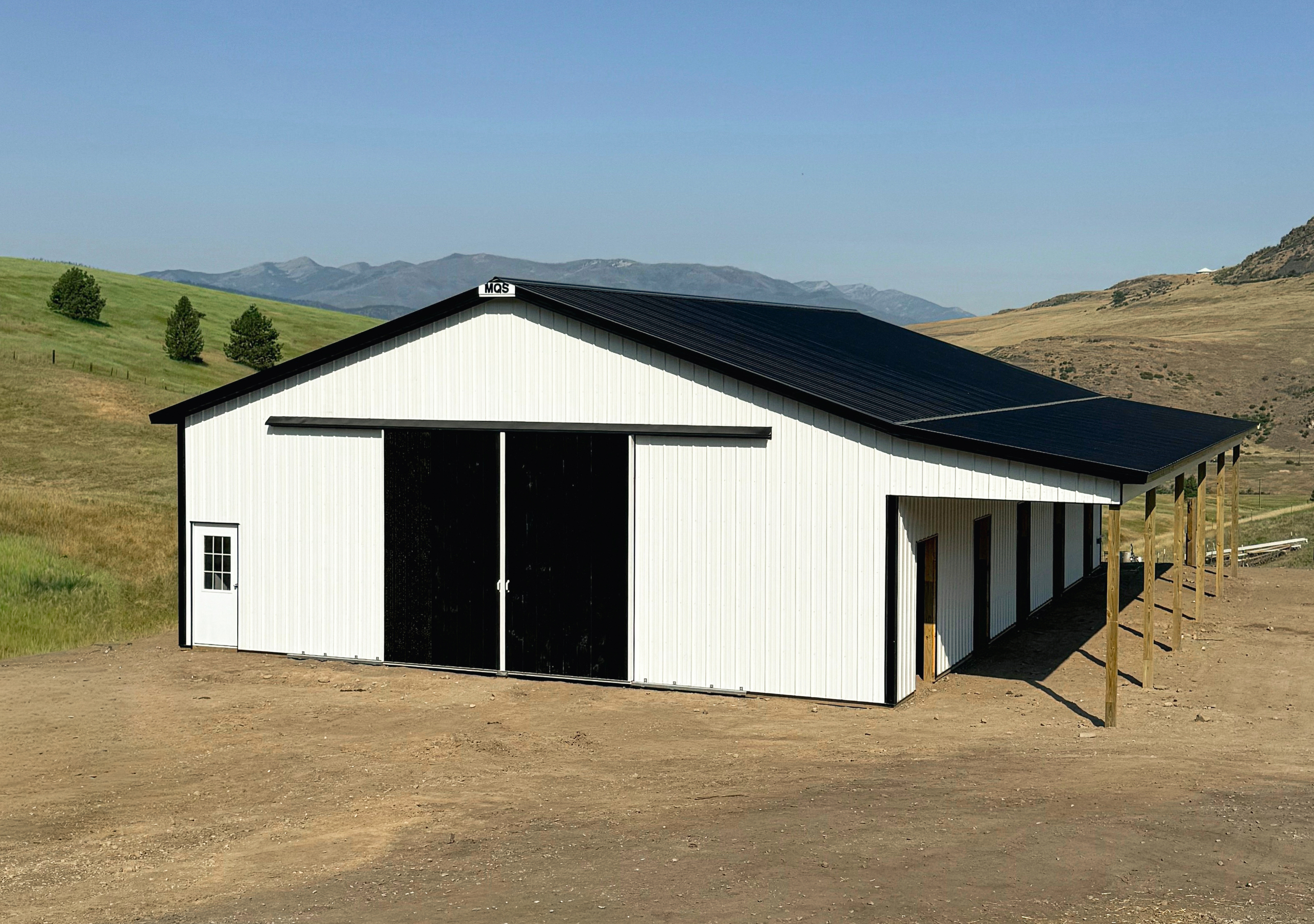
A farm building might look solid when construction wraps up, but long-term durability is what really determines its value. Agricultural buildings face constant pressure from equipment movement, changing weather, moisture, seasonal workloads, and years of repetitive use. Small weaknesses that seem minor during construction can become expensive frustrations later. That is why durability is one of the biggest concerns property owners bring up when planning new ag buildings.
At MQS Barn, we approach agricultural construction differently because we know these structures are not decorative additions sitting untouched on a property. They are active workspaces. They support machinery, protect investments, organize operations, and help keep daily routines moving. A durable building is not just one that “holds up.” It is one that continues functioning efficiently years after the original build without becoming a constant maintenance issue.
Long-term performance starts long before materials arrive on-site. It begins with planning, layout strategy, and understanding how your Bonneville County ag buildings will actually be used day after day.
Long-lasting ag buildings are usually the result of several factors working together:
- Thoughtful site planning
- Strong post frame construction methods
- Practical layouts designed for workflow
- Proper spacing and clearance
- Quality craftsmanship
- Flexibility for future operational changes
At MQS Barn, durability is not treated like a single feature. It is built into every stage of the project.
- Layout affects long-term wear more than many owners realize
- Workflow planning reduces stress on buildings over time
- Post frame construction supports flexibility and adaptability
- Proper site placement helps buildings perform better seasonally
- Long-term durability comes from planning, not shortcuts
- What’s Changing in Agricultural Building Design?
- Why Workflow Is One of the Biggest Durability Factors
- Our Planning Process Starts Before Construction
- How Post Frame Construction Supports Long-Term Performance
- Common Issues That Reduce Building Lifespan
- How Craftsmanship Affects Durability Over Time
- Signs a Building Was Designed Well
- Before Starting an Ag Building Project:
- What the Future Looks Like for Agricultural Buildings
- Common Questions About Long-Term Ag Building Durability
What’s Changing in Agricultural Building Design?
Agricultural buildings today are expected to do far more than they did years ago. Equipment continues getting larger. Operations are becoming more specialized. Storage needs shift faster than they used to. Many property owners now expect a single building to support:
- Equipment storage
- Maintenance areas
- Livestock support
- Feed storage
- Workshop space
- Seasonal staging
That evolution changes how buildings must be designed.
We are also seeing greater emphasis on long-term adaptability. Owners want structures that can evolve with their operation instead of becoming outdated after a few years. This is one reason post frame construction continues gaining traction across agricultural projects. Flexibility matters more now than ever.
Why Workflow Is One of the Biggest Durability Factors
Many people assume durability comes down entirely to materials. Materials matter, but workflow has a huge effect on how well a building holds up long term.
Poor traffic flow creates:
- Tight equipment turns
- Repeated impact points
- Congested access areas
- Constant repositioning
- Faster wear around doors and entry points
We spend a lot of time understanding how equipment, vehicles, and people move throughout a property because those patterns directly affect long-term building performance.
An ag building that supports smooth movement usually experiences:
- Less structural stress
- Lower daily friction
- Better organization
- Fewer operational bottlenecks
That translates into longer-lasting usability.
Our Planning Process Starts Before Construction
One of the biggest mistakes we see is rushing into construction before fully evaluating how the building will function within the larger property layout.
At MQS Barn, we begin by understanding:
- Equipment size
- Seasonal workflows
- Expansion plans
- Livestock movement
- Access patterns
- Storage priorities
Those details shape everything else.
For example, a building may technically fit on a property, but if winter access becomes difficult or equipment maneuvering requires constant repositioning, the structure may create operational problems long after construction is complete.
Durability is tied directly to usability.
How Post Frame Construction Supports Long-Term Performance
Post frame construction works especially well for agricultural buildings because it creates wide-open interiors without interior load-bearing walls. That flexibility creates room for equipment storage in Bonneville County, improves functionality, and improves future adaptability.
Benefits often include:
- Better equipment maneuverability
- Easier layout adjustments
- Simpler future expansions
- Improved workflow flexibility
- Open storage capacity
Operations rarely stay static forever. Equipment changes. Storage needs evolve. Workflows shift.
Buildings that can adapt tend to stay useful much longer than structures designed around rigid layouts.
Common Issues That Reduce Building Lifespan
We have seen certain problems repeatedly create long-term frustration for property owners.
Poor Site Placement
Drainage, snow accumulation, and access routes all affect durability.
Undersized Doors and Access Points
Equipment grows over time. Tight access increases stress and wear.
No Expansion Planning
Buildings that cannot evolve often require expensive modifications later.
Ignoring Seasonal Conditions
Mud, snow, runoff, and wind exposure all affect how buildings perform.
Overcrowded Interior Layouts
Constant maneuvering and repositioning accelerate wear patterns.
Most long-term issues begin during planning, not construction.
How Craftsmanship Affects Durability Over Time
Long-term durability depends heavily on consistency during construction.
Small alignment issues can eventually create:
- Door operation problems
- Uneven stress points
- Access complications
- Increased maintenance needs
Our Amish-influenced craftsmanship focuses heavily on:
- Precision framing
- Consistent post placement
- Structural alignment
- Long-term reliability
Attention to detail may not always be obvious immediately after construction, but owners usually notice the difference years later when buildings continue functioning smoothly under daily use.
Signs a Building Was Designed Well
Owners often recognize durable agricultural buildings through daily experience rather than appearance alone.
Well-performing structures usually have:
- Smooth equipment movement
- Easy access during busy seasons
- Minimal maintenance frustrations
- Flexible storage organization
- Reliable door operation
- Efficient seasonal transitions
Buildings that continue supporting workflow naturally tend to remain valuable much longer.
Before Starting an Ag Building Project:
If you are planning new ag buildings, a few early decisions can significantly improve long-term durability.
Think Beyond Current Equipment
Future machinery often requires more clearance than expected.
Evaluate Seasonal Access
Winter and muddy conditions affect daily usability.
Prioritize Layout Before Size
A smarter layout often outperforms a larger but inefficient building.
Leave Room for Operational Growth
Expansion flexibility helps buildings stay useful longer.
Work With Builders Who Understand Agricultural Workflow
Operational experience matters more than many owners realize.
What the Future Looks Like for Agricultural Buildings
Agricultural operations continue evolving toward greater efficiency and flexibility. We expect future ag buildings to increasingly emphasize:
- Multi-use layouts
- Workflow optimization
- Adaptable storage systems
- Long-term expansion capability
- Larger equipment accommodation
Durability will continue becoming less about simply “building strong” and more about creating structures that adapt well over time.
That shift is already changing how successful agricultural buildings are designed.
Common Questions About Long-Term Ag Building Durability
What affects the lifespan of an ag building the most?
Layout, workflow, site planning, and construction quality all play major roles.
Does post frame construction last long-term?
Yes. Properly planned post frame buildings are widely used for long-term agricultural applications.
Should buildings be designed for future equipment?
Absolutely. Equipment sizes and operational needs often change faster than expected.
Does site placement really matter that much?
Very much so. Drainage, snow, access, and terrain all affect long-term usability.
Can ag buildings be expanded later?
In many cases, yes. One major advantage of post frame construction is flexibility.

Durable Buildings Start With MQS
Long-term durability does not happen accidentally. It comes from thoughtful planning, practical layouts, quality craftsmanship, and understanding how agricultural operations function in the real world.
At MQS Barn, we build ag buildings around long-term usability, not just initial appearance. Our goal is to help property owners create structures that continue supporting daily work efficiently for years to come.
When buildings are planned correctly from the beginning, they become long-term assets instead of future problems. Contact MQS Barn today!

