
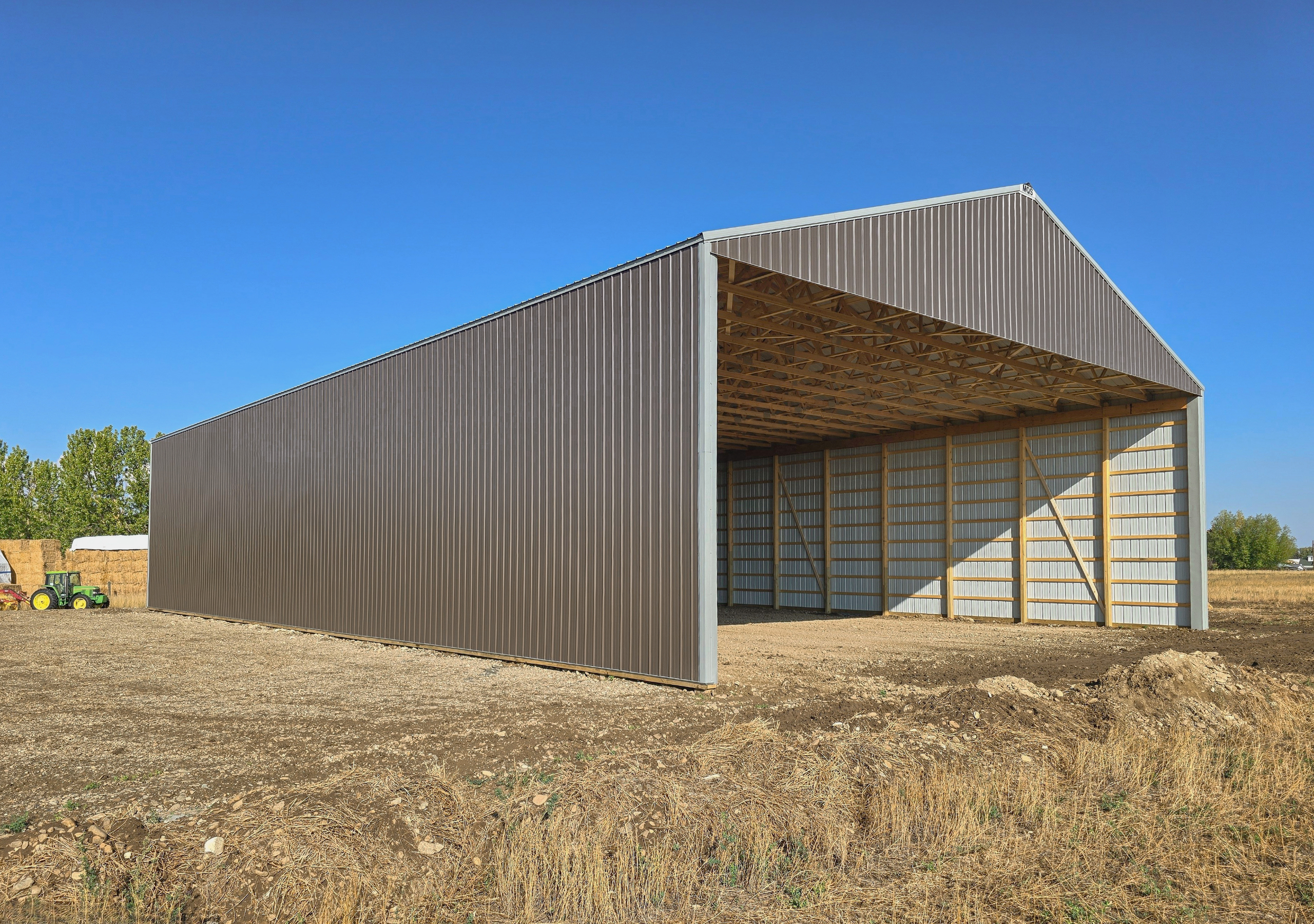
A lot of property owners hear the phrase “Amish craftsmanship” and immediately think about tradition or appearance. They picture clean woodwork, straight lines, and old-school work ethic. Some of that reputation is deserved. But when people actually work with Amish builders on a large post frame project, they usually notice the difference somewhere else first. It shows up in the little things. Door alignment. Layout accuracy. How materials fit together. How problems get handled before they turn into delays.
That difference becomes even more noticeable on rural projects where Adams County ranch buildings take daily abuse from equipment, weather, livestock, and constant movement. A building can look great when construction ends and still become frustrating six months later if the layout was rushed or details were overlooked. That is one reason many property owners specifically look for Amish construction when planning barns, ag buildings, workshops, and storage structures.
At MQS Barn, we have seen firsthand how long-term performance usually comes down to consistency during planning and construction. Flashy upgrades rarely matter as much as solid execution.
- What Makes Amish Construction Different?
- What’s Changing in Rural Construction Right Now?
- Why Precision Matters More Than Most Owners Expect
- Workflow Planning Is a Bigger Deal Than Materials Alone
- Our Approach at MQS Barn
- Common Differences Owners Notice After Construction
- Why Simpler Design Often Ages Better
- Common Mistakes Property Owners Make When Hiring Contractors
- Before Hiring a Builder
- What the Future Looks Like for Rural Construction
- Common Questions About Amish Farm Building Construction
What Makes Amish Construction Different?
The biggest difference is usually not one single feature. It is the overall approach.
Amish construction often emphasizes:
- Precision and consistency
- Practical layouts
- Long-term durability
- Attention to workflow
- Strong framing accuracy
- Simpler, more functional design choices
In many cases, the focus stays on how the building performs years later rather than simply how quickly it goes up.
- Amish construction tends to prioritize function over shortcuts
- Precision during framing affects long-term durability
- Workflow planning matters just as much as materials
- Simpler layouts often perform better long-term
- Attention to detail usually shows up years after construction, not just on day one
What’s Changing in Rural Construction Right Now?
Rural building projects have changed quite a bit over the last decade. Equipment is larger. Property layouts are more complex. Buildings are expected to serve multiple purposes instead of just one.
A modern post frame ranch building in Adams County might support:
- Equipment storage
- Livestock operations
- Workshop space
- RV storage
- Seasonal staging
- Maintenance areas
That shift has made planning more important than ever.
At the same time, many owners have become frustrated with rushed construction schedules and cookie-cutter layouts that do not really fit how the property operates. People are paying closer attention to long-term usability now, not just upfront cost.
That is part of why Amish construction continues gaining attention across agricultural and rural building projects.
Why Precision Matters More Than Most Owners Expect
A ranch building does not usually fail all at once. Problems tend to start small.
A slightly off layout can eventually affect:
- Door operation
- Equipment clearance
- Traffic flow
- Drainage behavior
- Interior organization
We have seen buildings where everything technically fit on paper, but daily movement still became frustrating because spacing and access were not planned carefully enough.
That is where precision becomes important.
In Amish construction, there is often a stronger emphasis on:
- Straight framing
- Consistent spacing
- Structural alignment
- Clean transitions between components
Owners may not immediately notice every detail during construction, but they usually notice later when the building continues operating smoothly under daily use.
.
.
Workflow Planning Is a Bigger Deal Than Materials Alone
Most people focus heavily on materials when comparing contractors. Materials matter, but layout and workflow usually have a bigger effect on long-term usability.
Poor workflow creates:
- Tight turns
- Repeated impact points
- Congested access
- Constant repositioning
- Faster wear around doors and entry areas
We spend a lot of time discussing how equipment, trailers, livestock, and vehicles move across a property because those patterns affect how the building performs over time.
A structure designed around actual workflow tends to:
- Stay organized longer
- Reduce daily frustration
- Support smoother operations
- Experience less long-term wear
That practical mindset is a major part of Amish-influenced building philosophy.
Our Approach at MQS Barn
At MQS Barn, our custom horse barn builders try to approach projects from the standpoint of long-term function first.
That starts with understanding:
- How the property operates
- Seasonal traffic patterns
- Equipment movement
- Future expansion plans
- Storage priorities
- Daily workflow
Sometimes owners initially focus on square footage, but after discussing how they actually use the property, layout adjustments end up becoming more important than size itself.
We have also found that many long-term problems begin before construction ever starts. Rushed planning usually creates the biggest frustrations later.
That is why we spend time discussing practical use before materials or aesthetics become the primary focus.
Common Differences Owners Notice After Construction
Interestingly, many owners do not fully appreciate the difference until after they begin using the building regularly.
A few things tend to stand out over time:
Doors Continue Operating Smoothly
Small framing inconsistencies often show up here first.
Interior Layout Feels Easier to Use
Equipment movement feels more natural, and equipment storage space is ample.
Buildings Stay Organized Longer
Better flow usually creates better organization.
Expansion Is Easier Later
Thoughtful layouts create more flexibility.
Daily Operations Feel Less Frustrating
That matters more than many people expect.
The building simply functions more smoothly as part of the property.
.
.
Why Simpler Design Often Ages Better
One thing our horse barn builders have noticed over the years is that overly complicated building designs tend to create more long-term maintenance and usability issues.
Simple does not mean basic.
It means:
- Intentional layout
- Cleaner traffic flow
- Fewer unnecessary complications
- Practical organization
- Easier long-term adaptation
Buildings designed around practical use usually hold up better because the structure works with the property instead of fighting against it.
That philosophy shows up repeatedly in Amish construction.
Common Mistakes Property Owners Make When Hiring Contractors
A few patterns come up often when owners later regret a project decision.
Focusing Only on Price
Low bids sometimes create expensive long-term problems.
Ignoring Workflow During Planning
Movement patterns affect daily usability.
Overbuilding Without Purpose
Bigger is not always better.
Choosing Speed Over Planning
Rushed projects often create operational frustrations later.
Not Thinking About Future Growth
Properties rarely stay static forever.
The strongest projects usually start with thoughtful planning rather than aggressive timelines.
Before Hiring a Builder
If you are comparing contractors for a post frame or agricultural project, a few things are worth discussing early:
Ask How They Approach Workflow
Get all the details, don’t just focus on the square footage.
Discuss Future Expansion Plans
Even if those plans are years away, it’s important to discuss now.
Pay Attention to Communication
Clear planning is an essential component of a successful build.
Look Beyond Appearance
Long-term function is more important looks.
Ask About Daily Property Use
Experienced builders usually want to understand this early.
Those conversations often reveal far more than marketing materials do.
What the Future Looks Like for Rural Construction
Rural ranch building expectations will likely continue shifting toward:
- Multi-use layouts
- Adaptable storage
- Operational efficiency
- Long-term flexibility
- Lower-maintenance designs
Owners increasingly want buildings that continue functioning well as operations evolve instead of becoming outdated quickly.
That trend favors builders who prioritize:
- Planning
- Precision
- Practical design
- Adaptability
In many ways, those priorities already align closely with Amish construction philosophy.
Common Questions About Amish Farm Building Construction
Is Amish construction mainly about appearance?
Not really. Most differences show up in planning, precision, and long-term usability.
Does Amish construction only apply to barns?
No. The same principles are often used for shops, garages, ag buildings, and storage structures.
Is a simpler building design better long term?
Often, yes. Simpler layouts usually create fewer operational frustrations later.
Why does workflow matter so much?
Because buildings are used every day. Poor movement patterns create constant stress on both the structure and operations.
Can post frame buildings still be customized heavily?
Absolutely. Good planning allows flexibility without creating unnecessary complexity.

MQS Barn, Your Source for High-Quality Amish Influenced Construction
The difference between Amish construction and standard contracting often becomes most obvious years after the project is complete. Buildings that were carefully planned and precisely built tend to stay easier to use, easier to maintain, and better suited for changing needs over time.
At MQS Barn, we focus heavily on practical function because long-term usability matters more than quick impressions. A building should support the way a property actually operates, not create daily frustrations once the excitement of construction wears off.
That approach is what continues separating thoughtfully built post frame structures from buildings that simply went up fast. Contact MQS Barn today!

