
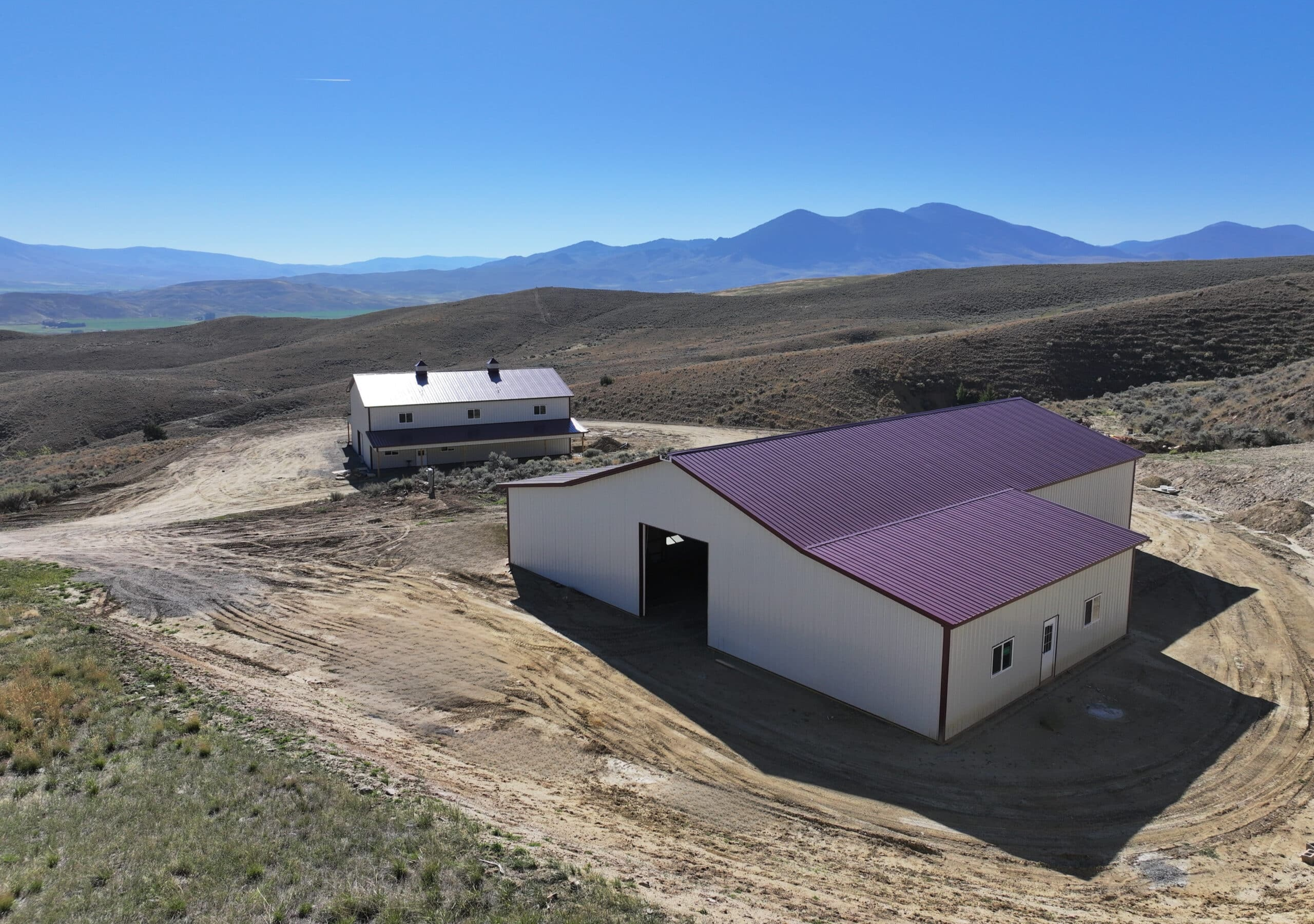
A lot of RV owners build storage with their current setup in mind. That makes sense at first. The vehicle fits. There is enough room to walk around it. Storage feels manageable. Then a few years pass, and things start changing. A larger RV replaces the original one. Additional trailers show up. Maintenance equipment gets added. Suddenly, the building that once felt oversized starts feeling restrictive.
That situation is more common than many property owners expect. Expanding RV buildings later is possible in many cases, but it often becomes more complicated when future growth was never considered during the original planning phase. Layout limitations, property constraints, workflow problems, and access issues can all create challenges that are difficult to fix after construction is complete.
At MQS Barn, we have noticed that the RV buildings that age the best are usually the ones designed with long-term flexibility in mind from the very beginning. Buildings rarely stay static forever. Storage needs almost always evolve.
- Why Can Expanding RV Buildings Become Difficult?
- What’s Changing With RV Storage Needs?
- Why Original Layout Planning Matters So Much
- Our Approach to Planning Flexible RV Buildings
- Why Workflow Problems Usually Get Worse Over Time
- Common Challenges That Make Expansion Difficult
- Why Post Frame Construction Helps With Future Adaptability
- Tactical Recommendations Before Building an RV Structure
- What the Future Looks Like for RV Building Design
- Common Questions About Expanding RV Buildings
Why Can Expanding RV Buildings Become Difficult?
Expanding Bear Lake County RV buildings later can become challenging because the original layout may not leave enough room for:
- Future Building Additions
- Larger Vehicle Maneuverability
- Wider Access Points
- Additional Storage Areas
- Updated Traffic Flow
- Property Expansion Space
The earlier long-term growth gets discussed, the easier future changes usually become.
- RV storage needs often grow faster than owners expect
- Workflow problems usually become more noticeable over time
- Expansion limitations often begin during initial planning
- Property layout affects future flexibility heavily
- Smart layouts typically age better than oversized layouts
What’s Changing With RV Storage Needs?
RV ownership has changed significantly over the last decade. Vehicles continue getting larger. Many owners now travel longer distances and use RVs more frequently throughout the year. Storage expectations have changed too.
Modern RV buildings often support:
- Maintenance Areas
- Hobby Space
- Seasonal Storage
- Trailer Parking
- Workshop Areas
- Equipment Storage
Owners are no longer looking for simple shelter alone. They want buildings that support multiple functions while still remaining easy to maneuver inside.
That creates a challenge because buildings designed only around current needs often struggle to adapt later.
At the same time, Montana properties continue evolving as owners add:
- Additional Outbuildings
- Equipment Storage
- Access Roads
- Parking Areas
- Utility Expansions
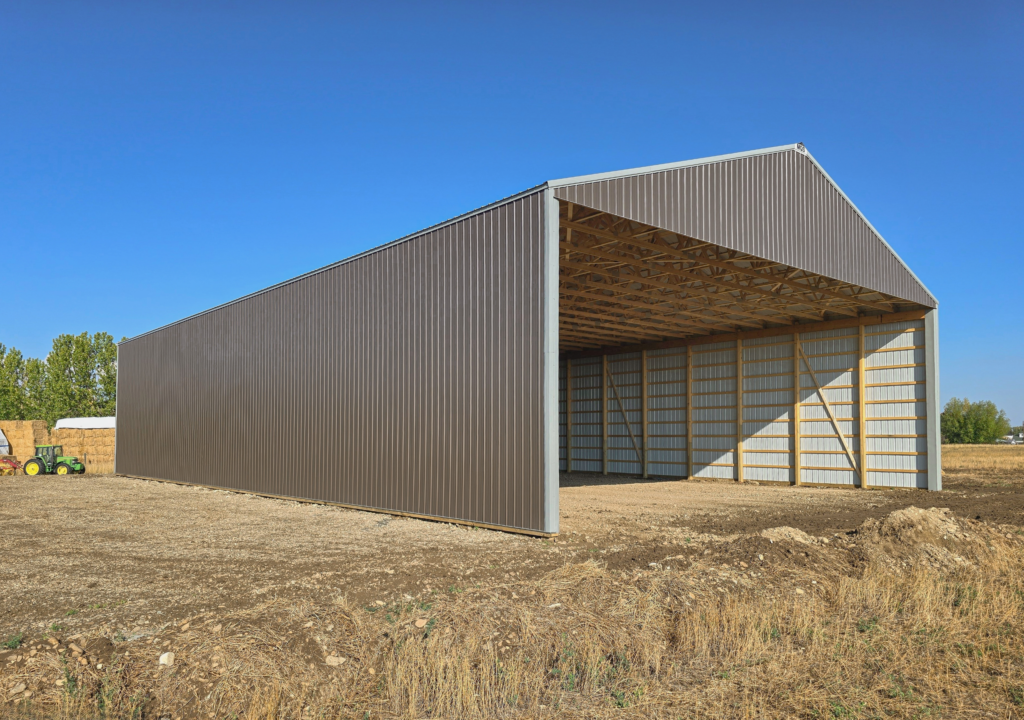
All of those changes affect how easily an RV building can expand in the future.
.
.
Why Original Layout Planning Matters So Much
One of the biggest misconceptions about RV buildings in Bear Lake County is the idea that expansion is always simple later.
In reality, a lot depends on the original layout.
We have seen situations where owners technically had enough land to expand, but problems still developed because:
- Driveway Angles Became Restrictive
- Existing Access Lanes Felt Too Tight
- Drainage Patterns Limited Expansion Space
- Snow Removal Routes Became Difficult
- Utility Placement Interrupted Future Additions
Those issues usually begin during initial planning, not during expansion itself.
That is why we spend so much time discussing workflow and long-term use before construction starts.
Our Approach to Planning Flexible RV Buildings
At MQS Barn, our custom post frame garage builders try to approach RV building projects from the standpoint of long-term usability instead of simply focusing on current storage needs.
That usually involves conversations about:
- Future RV Upgrades
- Seasonal Traffic Patterns
- Additional Equipment Storage
- Workshop Goals
- Property Access
- Long-Term Expansion Plans
Sometimes owners initially assume they only need enough space for their current RV, but after discussing how storage needs tend to evolve, many realize flexibility matters far more over the long term than maximizing short-term efficiency.
That planning process matters because buildings designed with future adaptability in mind usually remain functional much longer.
Our Amish-influenced craftsmanship also emphasizes layout precision during framing and planning. Small inconsistencies may not seem important early on, but later they can affect:
- Door Operation
- Vehicle Maneuverability
- Drainage Behavior
- Expansion Alignment
- Overall Workflow
Consistency matters to our post frame garage builders, much more long-term than many people realize.
Why Workflow Problems Usually Get Worse Over Time
This is something many property owners do not anticipate initially.
A layout that feels acceptable during the first year can gradually become frustrating as:
- Equipment Increases
- Parking Patterns Change
- Storage Expands
- Maintenance Needs Grow
- Property Traffic Evolves
We have seen buildings where owners technically had enough square footage, but workflow still became stressful because maneuverability was never planned carefully enough.
That is one reason smart layouts usually outperform oversized but poorly organized buildings over the long term.
Good workflow tends to:
- Improve Organization
- Reduce Daily Stress
- Support Easier Parking
- Simplify Maintenance
- Create Better Long-Term Flexibility
Poor workflow usually becomes noticeable every single day once operations become busier.
Common Challenges That Make Expansion Difficult
A few issues tend to show up repeatedly when RV buildings were not originally planned with future growth in mind.
Limited Expansion Space
Nearby buildings, fences, or driveways may restrict additions later.
Tight Access Lanes
Larger RVs often require wider maneuverability zones than expected.
Utility Conflicts
Electrical, drainage, or utility placement can complicate future construction.
Poor Traffic Flow
Expansion sometimes creates new bottlenecks instead of solving old ones.
Overcrowded Storage Layouts
Buildings packed too tightly early on often become difficult to reorganize later.
Most expansion frustrations start with planning limitations instead of construction problems.
.
.
Why Post Frame Construction Helps With Future Adaptability
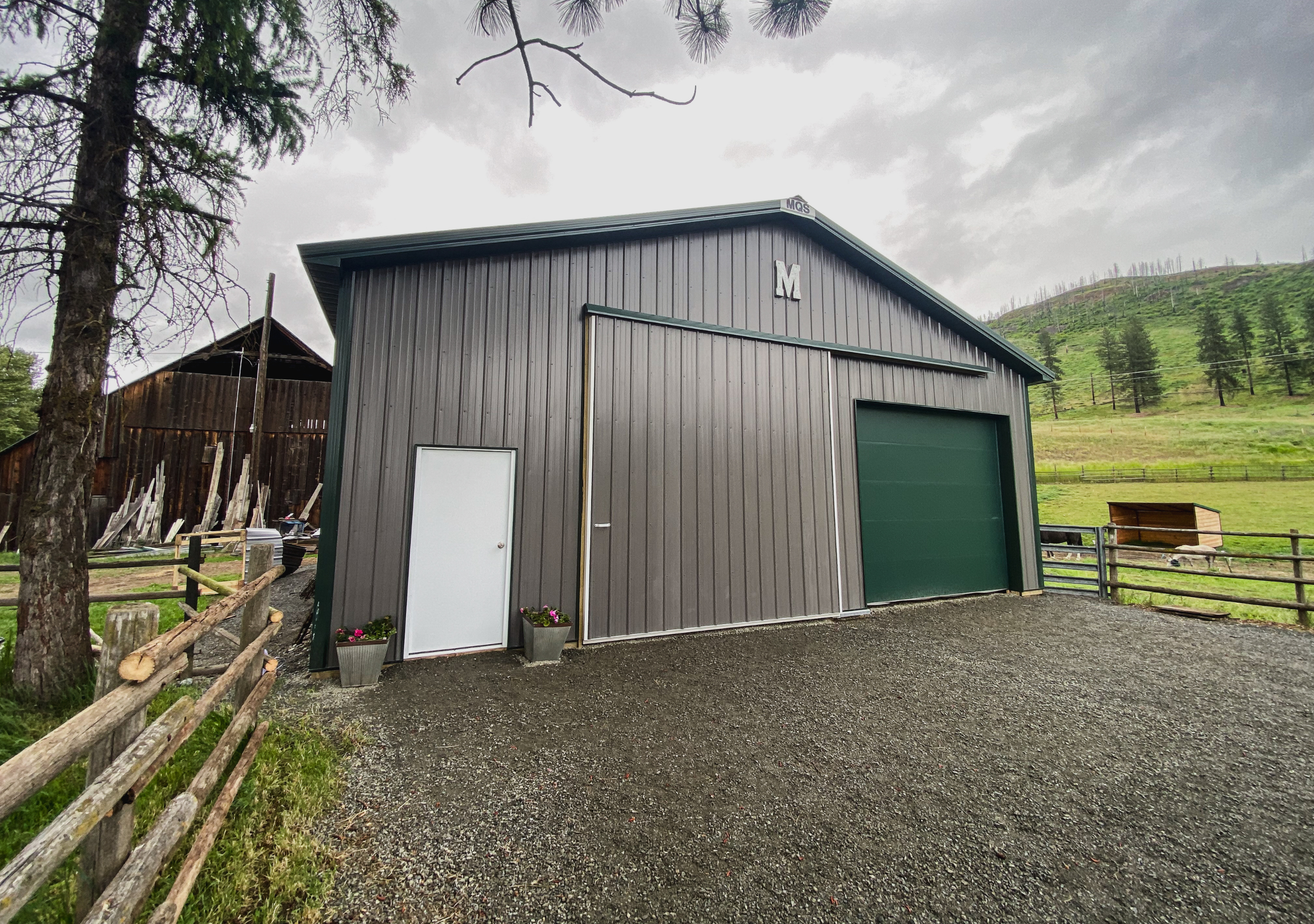
One major reason many owners prefer post frame construction for RV buildings is flexibility.
Post frame layouts often allow:
- Easier Future Expansion
- Larger Open Interiors
- Adaptable Storage Organization
- Flexible Access Configurations
- Better Long-Term Maneuverability
Buildings that can evolve gradually alongside the property usually stay useful much longer than rigid layouts designed only around current needs.
That flexibility becomes especially valuable on rural Montana properties where operations and storage needs continue changing over time.
Tactical Recommendations Before Building an RV Structure
If future expansion may eventually become part of your plans, a few early planning discussions can make a major difference later.
Think Beyond Your Current RV
Vehicles often get larger over time.
Leave Additional Maneuverability Space
Parking patterns usually evolve.
Evaluate Long-Term Property Layout
Future outbuildings and access roads matter.
Plan Around Seasonal Conditions
Snow, mud, and drainage affect expansion usability heavily.
Work With Builders Who Discuss Workflow Early
Operational planning usually reveals long-term experience.
Those conversations often determine how flexible the building remains years later.
What the Future Looks Like for RV Building Design
RV storage design will likely continue shifting toward:
- Multi-Use Building Layouts
- Larger Maneuverability Zones
- Adaptable Interior Configurations
- Integrated Workshop Areas
- Flexible Expansion Planning
- Property-Wide Workflow Design
Owners increasingly want RV buildings that continue adapting as their property evolves instead of becoming restrictive after only a few years.
That trend strongly favors planning approaches centered around flexibility and long-term usability.
Common Questions About Expanding RV Buildings
Can RV buildings usually be expanded later?
In many cases, yes. However, expansion becomes much easier when future growth is considered during the original planning phase.
Why does maneuverability matter so much?
Poor vehicle movement creates daily frustration and limits future flexibility.
Does property layout affect expansion potential?
Very much so. Access lanes, utilities, drainage, and nearby structures all matter.
Are larger RV buildings always better than hiring garage hobby shop builders?
Not necessarily. Smart layouts usually matter more than raw square footage alone.
Why is post frame construction popular for RV storage?
Flexible layouts and open interiors adapt well as storage needs evolve.

Final Thoughts on Upgrading the Size and Space of Your RV Building in the Future
The biggest challenge with expanding RV buildings later is that many limitations begin long before expansion ever starts. Buildings designed only around current needs often struggle to adapt once storage demands, vehicle sizes, and workflow patterns evolve.
At MQS Barn, we focus heavily on long-term planning because RV storage needs rarely stay static forever. Buildings that support smooth movement, flexible layouts, and future adaptability tend to remain valuable much longer than rigid structures designed only for short-term convenience.
Thoughtful planning early almost always creates fewer frustrations later when expansion eventually becomes necessary. Contact MQS Barn today if you have questions or concerns regarding RV building upgrades and expansion.
