
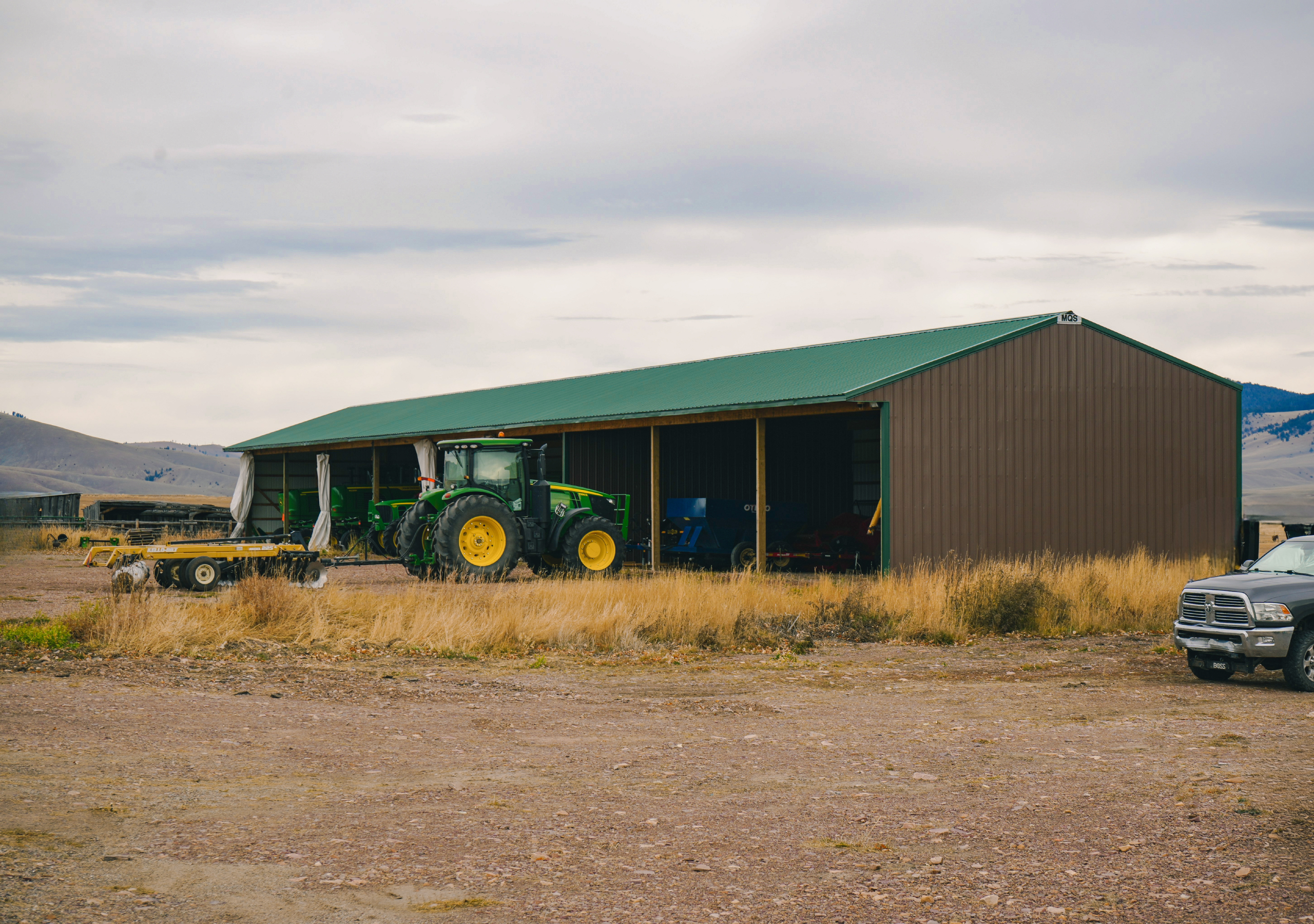
Heavy machinery storage is rarely as simple as putting up walls and a roof. Equipment gets larger over time. Attachments multiply. Traffic patterns shift. And before long, buildings that once felt oversized suddenly start creating bottlenecks. That is one reason property owners planning long-term equipment storage often spend more time comparing construction methods than they used to.
Many owners initially look at steel buildings because they assume steel automatically means stronger or more durable. In some applications, steel buildings may make sense. But for agricultural operations, equipment storage, and rural properties, post frame construction often provides advantages that become much more noticeable after daily use begins.
At MQS Barn, we have seen situations where agricultural buildings technically checked every box on paper but still became frustrating because the layout, maneuverability, or long-term flexibility was not fully considered. The way a building functions day after day usually matters far more than quick assumptions about materials alone.
- Why Do Many Owners Prefer Post Frame Construction for Equipment Storage?
- What’s Changing With Equipment Storage Design?
- Why Open Interior Space Matters So Much
- Our Approach to Heavy Equipment Storage Planning
- Why Flexibility Often Becomes the Biggest Advantage
- Common Misconceptions About Steel Building Construction
- Why Workflow Usually Matters More Than Building Size
- Tactical Recommendations Before Choosing a Construction Method
- What the Future Looks Like for Equipment Storage Buildings
- Common Questions About Post Frame Equipment Storage
Why Do Many Owners Prefer Post Frame Construction for Equipment Storage?
Post frame construction often works better for heavy machinery storage because it creates large, open interiors with flexible layouts that adapt more easily over time.
That flexibility helps support:
- Easier equipment maneuverability
- Wider interior clearance
- Better workflow organization
- Simpler future expansion
- Adaptable storage layouts
- Long-term operational flexibility
For many owners, the biggest difference is how much easier the building feels to use once operations are fully underway.
- Post frame buildings create wider, uninterrupted interior space
- Workflow usually matters more than appearance
- Equipment storage needs almost always grow over time
- Flexible layouts improve long-term usability
- Practical planning often matters more than raw material type
What’s Changing With Equipment Storage Design?
Heavy equipment storage in Bannock County has changed significantly over the last decade. Machinery continues getting larger. Attachments require more staging space. Many operations now expect one building to support multiple uses instead of only storage.
Modern equipment buildings often include:
- Maintenance areas
- Tool storage
- Seasonal equipment staging
- Repair space
- Trailer storage
- Multi-purpose workspace
At the same time, owners are thinking more carefully about long-term adaptability. Buildings that feel functional today may not work nearly as well ten years from now if future equipment growth was never considered.
That shift has pushed many rural property owners toward post frame construction because flexibility tends to become more valuable over time.
Why Open Interior Space Matters So Much
One of the biggest frustrations owners experience with equipment storage is movement restriction.
Equipment may technically fit inside a building while still creating daily workflow problems. We have seen situations where:
- Turning clearance became too tight
- Attachments blocked access lanes
- Maintenance space felt restricted
- Interior columns interrupted workflow
- Future equipment upgrades created problems
This is where post frame construction often stands apart from steel building construction.
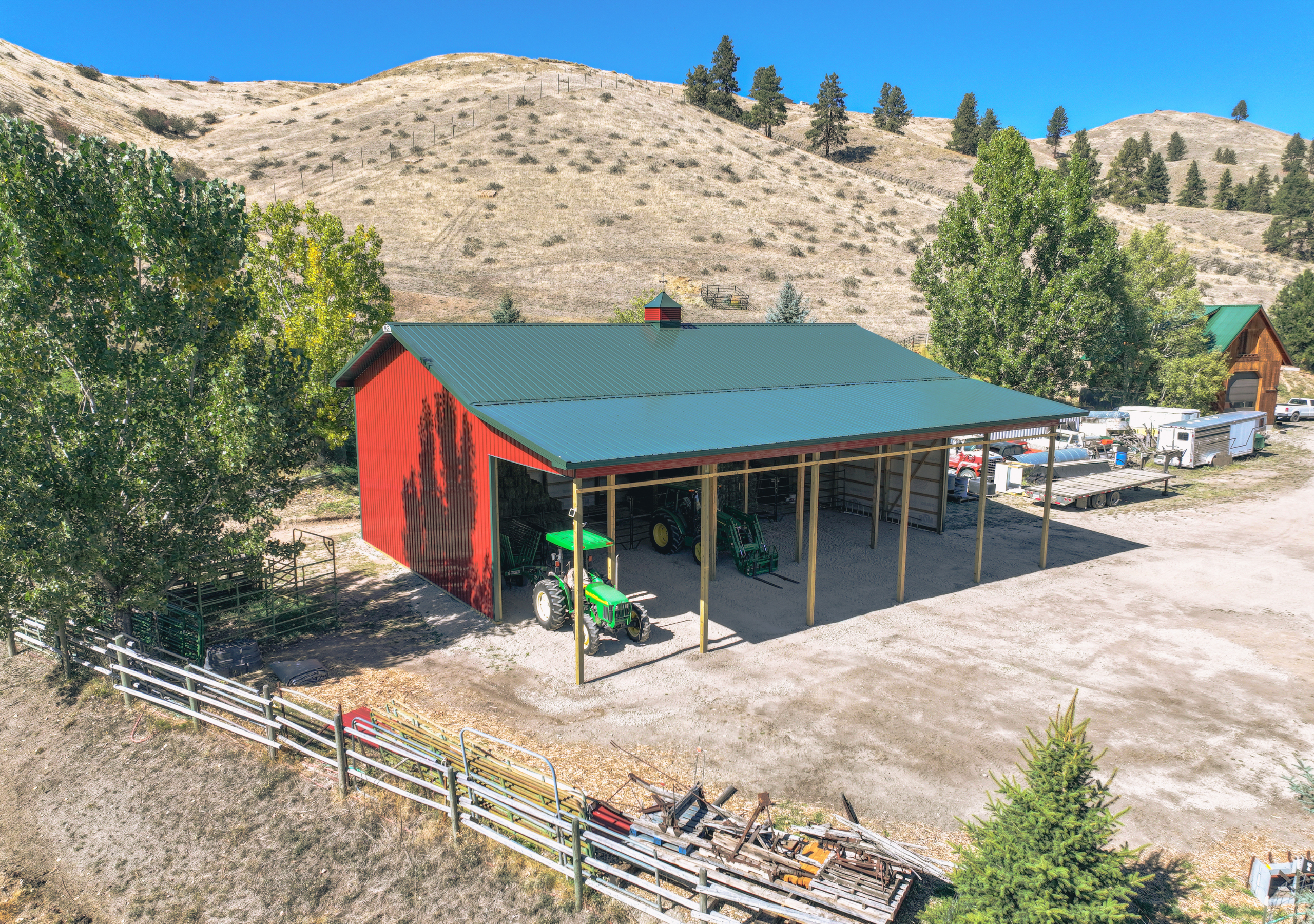
Post frame ag buildings typically create larger uninterrupted interior areas without interior load-bearing walls disrupting movement patterns. That allows layouts to function more naturally around:
- Tractors
- Combines
- Trailers
- Sprayers
- Loaders
- Large implements
Once buildings start getting used regularly, those movement advantages become much more noticeable.
Our Approach to Heavy Equipment Storage Planning
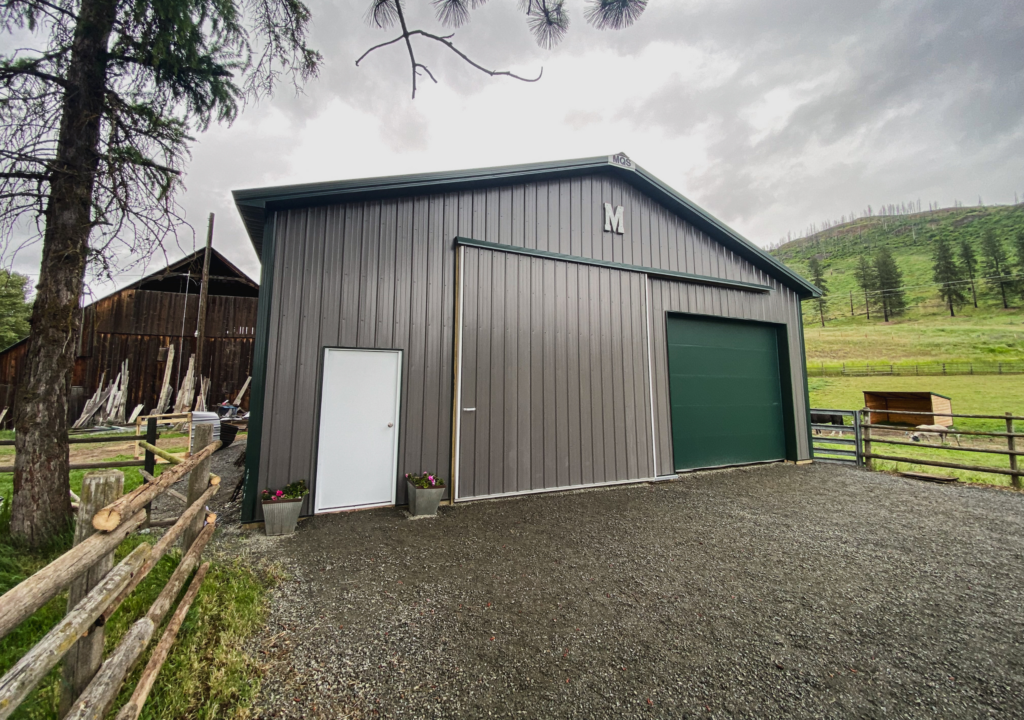
At MQS Barn, we spend a lot of time discussing workflow before construction details are finalized.
That includes conversations about:
- Equipment size
- Seasonal traffic patterns
- Maintenance needs
- Future expansion plans
- Daily movement patterns
- Property layout
Sometimes owners initially focus almost entirely on square footage, but after discussing how equipment actually moves across the property, the smarter solution often becomes a more efficient layout instead of simply adding more building size.
That distinction matters.
Poorly planned, oversized agricultural building construction can still create constant frustration if maneuverability and workflow were never considered properly.
Our Amish-influenced craftsmanship also emphasizes precision during framing and layout planning. Small inconsistencies may not seem important initially, but over time they can affect:
- Door operation
- Interior clearance
- Drainage behavior
- Maneuverability
- Daily workflow
Consistency matters much more in the long term than many people expect.
Why Flexibility Often Becomes the Biggest Advantage
One thing we have learned over the years is that Bannock County equipment storage needs rarely stay static.
Operations evolve gradually. Owners often add:
- Larger equipment
- Additional implements
- Maintenance areas
- Seasonal storage
- Utility vehicles
- Workshop space
Buildings designed too tightly around current needs usually become restrictive faster than expected.
Post frame construction often allows easier:
- Layout adjustments
- Future expansion
- Storage reconfiguration
- Access modifications
- Interior repurposing
That flexibility becomes extremely valuable on active agricultural and rural properties where operations continue evolving over time.
Common Misconceptions About Steel Building Construction
Many property owners initially assume steel automatically means:
- Stronger
- Longer lasting
- Lower maintenance
- Better for large equipment
In reality, long-term usability usually depends far more on:
- Layout planning
- Workflow design
- Interior functionality
- Maneuverability
- Property integration
A building that disrupts movement patterns every day can become frustrating, regardless of the material used.
We have also seen situations where rigid layouts created more operational limitations than owners anticipated once equipment sizes changed.
That is one reason flexibility tends to become such an important conversation during planning.
.
.
Why Workflow Usually Matters More Than Building Size
This surprises many owners at first.
Larger buildings do not automatically create better usability. We have seen oversized equipment buildings that still caused daily frustration because:
- Traffic flow was poor
- Access lanes felt congested
- Storage layouts became disorganized
- Turning space was limited
- Maintenance areas were awkward
A smart layout usually improves:
- Organization
- Efficiency
- Maneuverability
- Equipment access
- Long-term flexibility
Owners typically notice workflow quality almost immediately once daily operations begin.
Poor workflow tends to become noticeable every single day.
Tactical Recommendations Before Choosing a Construction Method
If you are comparing post frame construction against steel building construction for heavy equipment storage, a few early planning discussions can make a major difference later.
Think Beyond Current Equipment
Most operations eventually grow.
Prioritize Workflow Before Appearance
Daily usability matters more over time.
Plan Around Seasonal Conditions
Snow, mud, and drainage affect operational efficiency heavily.
Leave Additional Maneuverability Space
Crowded layouts create long-term frustration.
Work With Builders Who Understand Equipment Movement
Operational experience usually shows up during planning conversations.
Those discussions often reveal how much real-world equipment storage experience a builder actually has.
What the Future Looks Like for Equipment Storage Buildings
Equipment storage design will likely continue moving toward:
- More adaptable layouts
- Multi-use building designs
- Larger maneuverability zones
- Flexible interior organization
- Easier future expansion
- Workflow-centered planning
Owners increasingly want farm building construction that continues evolving alongside their operations instead of becoming outdated after only a few years.
That trend strongly favors construction methods that prioritize flexibility and long-term usability.
Common Questions About Post Frame Equipment Storage
Is post frame construction strong enough for heavy machinery storage?
Yes. Post frame structures are widely used for agricultural and commercial equipment storage applications.
Why does open interior space matter so much?
Open layouts improve maneuverability, organization, and long-term flexibility.
Can post frame buildings be expanded later?
In many cases, yes. Flexibility is one of the major advantages of post frame construction.
Does workflow really affect equipment storage that much?
Very much so. Poor movement patterns create daily operational frustration over time.
Are steel buildings always better for large equipment?
Not necessarily. Long-term usability often depends more on layout and workflow than material type alone.
.

Choosing Post Frame Construction for Your Storage Needs
The biggest advantage of post frame construction for heavy machinery and equipment storage is flexibility. Buildings that support smooth movement, adaptable layouts, and long-term usability tend to remain valuable much longer than rigid structures designed only around current needs.
At MQS Barn, we focus heavily on practical planning because the way a building functions every day matters far more over the long haul than quick visual impressions or assumptions about materials. Equipment storage buildings should continue supporting operations smoothly as machinery, storage needs, and workflows evolve over time.
When you contact MQS Barn, you’ll discover that thoughtful layouts almost always outperform oversized buildings that were never truly planned around real-world equipment movement.

