
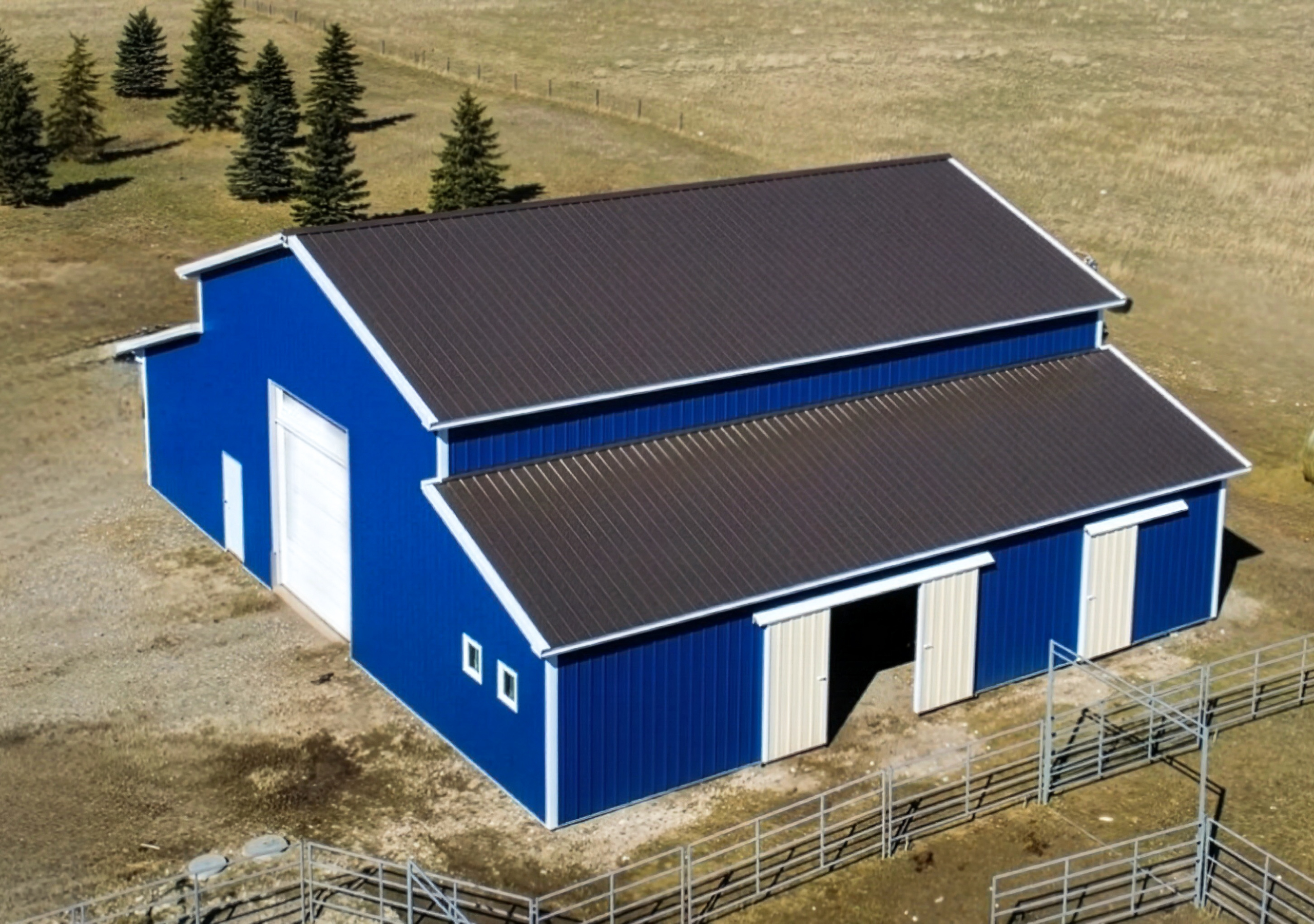
A lot of rural property owners assume agricultural buildings are automatically exempt from permits. In some situations, that may be true. In others, it is not that simple.
The confusion usually starts because permit requirements can vary depending on:
- The county
- The state
- Property zoning
- Utility connections
- How the building will actually be used
At the same time, agricultural buildings themselves are changing. Years ago, many farm buildings were built only for equipment or livestock storage. Today, rural property owners are building structures that serve several purposes at once. Workshops, RV storage, hobby spaces, and mixed-use agricultural buildings are becoming far more common.
That shift matters because multi-purpose buildings may fall under different permit rules than traditional agricultural structures.
In this guide, we’ll break down:
- When permits may be required
- Why agricultural exemptions can become confusing
- Common mistakes property owners make
- What rural landowners should verify before building
- Do Agricultural Buildings Need a Permit?
- What’s Changing With Agricultural Building Permits?
- Rural Development Is Expanding
- Agricultural Buildings Are Becoming Multi-Purpose
- Counties Are Updating Rural Land-Use Policies
- Common Mistakes Rural Property Owners Make
- Assuming Agricultural Means “No Permit Needed”
- Waiting Too Long to Verify Requirements
- Misclassifying the Building’s Purpose
- Verify First, Build Second
- Why Post Frame Agricultural Building Construction Remains Popular
- Before Building
- Future Outlook for Agricultural Building Regulations
- Frequently Asked Questions
- Start Planning Your Agricultural Building the Right Way
Do Agricultural Buildings Need a Permit?
Sometimes yes. Sometimes no.
In many rural areas, agricultural buildings may qualify for permit exemptions. However, not every detached structure automatically qualifies as agricultural.
Permit requirements often depend on:
- Intended building use
- Property zoning
- Building size
- Utility installation
- County regulations
- Local land-use rules
The safest approach is always verifying local requirements before construction begins.
- Agricultural permit rules vary widely by location.
- Some farm buildings qualify for exemptions.
- Multi-purpose buildings may trigger additional review.
- Utility connections can affect permit requirements.
- Early planning helps avoid delays and expensive mistakes.
What’s Changing With Agricultural Building Permits?
Permit requirements have become more complicated in some rural areas over the last several years.
A few major shifts are driving those changes.
Rural Development Is Expanding
Many rural communities are seeing:
- More residential development
- Larger hobby farms
- Increased land subdivision
- More mixed-use properties
- Additional commercial activity on agricultural land
As rural development grows, counties often begin paying closer attention to zoning and building oversight.
Agricultural Buildings Are Becoming Multi-Purpose
Years ago, many ag buildings in Twin Falls County had straightforward purposes:
- Hay storage
- Livestock shelter
- Equipment storage
- Grain protection
Today, buildings are often used for:
- Workshops
- RV storage
- Hobby buildings
- Home businesses
- Recreational equipment storage
- Hybrid-use spaces
That flexibility is great for property owners, but it can also affect whether the structure still qualifies as a traditional agricultural building under local regulations.
Counties Are Updating Rural Land-Use Policies
Some counties are revisiting older agricultural exemptions as property use patterns continue evolving.
A structure that qualified as a simple agricultural building years ago may face additional review today depending on:
- Building use
- Utility installation
- Property zoning
- Occupancy plans
That is why assumptions about permit exemptions can create problems later.
Common Mistakes Rural Property Owners Make
One of the biggest issues we see is property owners relying on assumptions instead of confirming local requirements directly.
Assuming Agricultural Means “No Permit Needed”
This is one of the most common misconceptions.
In some counties, agricultural buildings may qualify for exemptions. In others, exemptions only apply when the building supports direct agricultural production.
Even within the same region, requirements may vary depending on:
- Building size
- Utility access
- Mixed-use functions
- Location on the property
Waiting Too Long to Verify Requirements
Some property owners begin the following tasks before checking with local agencies:
- Site preparation
- Material purchases
- Excavation
- Concrete work
Doing this can result in major setbacks. Potential roadblocks that can put a stop to your project include:
- Drainage requirements apply
- Utility approvals are missing
- The building classification changes

Misclassifying the Building’s Purpose
This happens often with hybrid-use Twin Falls County ag buildings.
For example:
- A workshop combined with equipment storage
- RV storage combined with agricultural use
- Commercial activity inside a farm structure
Mixed-use buildings may not qualify under the same exemptions as traditional agricultural structures.
Forgetting About Future Use Changes
Many rural property owners eventually change how they use the building.
A structure originally built for equipment storage may later become:
- A workshop
- RV storage
- A hobby building
- A business operation
Those changes can affect future compliance requirements.
Verify First, Build Second
One of the smartest approaches is confirming local regulations before finalizing the building design.
At MQS Barn, we encourage rural property owners to think long-term during the planning process instead of focusing only on immediate needs.
Step 1: Confirm Property Zoning
Zoning rules often affect agricultural buildings just as much as permit requirements.
Property owners should verify:
- Agricultural zoning status
- Setback requirements
- Easements
- Floodplain restrictions
- Land-use limitations
Step 2: Define Building Use Clearly
How the building will actually function matters.
A structure used exclusively for agricultural operations may qualify differently than one used for:
- Commercial work
- Recreational storage
- Hobby space
- Mixed-use purposes
Clarity early in the process helps reduce confusion later.
Step 3: Ask About Utility Requirements
Adding utilities may trigger additional approvals.
This can include:
- Electrical permits
- Plumbing permits
- Septic approvals
- Water connections
Even simple electrical installations can sometimes change permit requirements.
Step 4: Plan for Future Flexibility
Most rural property owners eventually expand how they use their building.
Planning for future flexibility now often creates better long-term value and reduces future modification costs.
Why Post Frame Agricultural Building Construction Remains Popular
Post frame construction continues to be one of the most practical options for agricultural buildings because it adapts to changing rural property needs.
Many property owners want:
- Open interior layouts
- Larger equipment acces
- Long-term durability
- Flexible floor plans
- Easier future expansion
Post frame buildings support those goals well.
Many rural property owners also appreciate:
- Faster construction timelines
- Larger open spans
- Fewer interior load-bearing walls
- Simpler future modifications
- Better adaptability for changing use
As agricultural buildings continue evolving into multi-purpose structures, flexibility matters more than ever.
Before Building
Contact Local Agencies Early
Speaking directly with local planning or zoning offices early helps prevent misunderstandings later.
Waiting until construction starts can create unnecessary delays and expenses.
Keep Long-Term Use in Mind
Even if the structure starts as agricultural storage, future needs may change.
Planning for flexibility now can create much better long-term value.
Document Intended Use Clearly
Having a clear understanding of how the structure will be used helps simplify conversations with local agencies.
Avoid Assuming Older Rules Still Apply
Just because a neighboring property was exempt several years ago does not guarantee the same rules still apply today.
Regulations can change over time.
Future Outlook for Agricultural Building Regulations
Agricultural building requirements will likely continue evolving as rural development patterns change.
Several trends are already becoming more common:
- Increased zoning oversight
- More mixed-use rural properties
- Expanded utility regulations
- Greater land-use review
- More focus on long-term development planning
At the same time, demand for flexible farm buildings will likely continue increasing.
Property owners who plan carefully now will usually avoid the biggest frustrations later.
Frequently Asked Questions
Are agricultural buildings always exempt from permits?
No. Permit exemptions vary depending on county regulations, zoning classifications, and intended building use.
Does adding electricity affect permit requirements?
In many areas, yes. Utility connections can trigger additional inspections or approvals.
What qualifies as an agricultural building?
Definitions vary by jurisdiction, but agricultural buildings are generally structures used directly for farming, ranching, or agricultural production.
Can a mixed-use building still qualify as agricultural?
Sometimes, but mixed-use structures may face additional review depending on how they will be used.
Why should I verify zoning before building?
Zoning rules can affect:
- Land use
- Utility access
- Building placement
- Overall project approval
Start Planning Your Agricultural Building the Right Way
Permit requirements for farm building construction can vary far more than many rural property owners expect. The best approach is always verifying local rules early, planning for future flexibility, and designing a structure that supports long-term property goals.
At MQS Barn, building a custom barn shouldn’t feel overwhelming. You don’t need endless back‑and‑forth or surprise costs. We handle everything from design to building, so you get a quality post-frame structure built right. No unnecessary add-ons. No vague timelines. If you’re searching for the most reputable Amish barn builders in the area, you’ve found us.

Just dependable craftsmanship and solid service. Want to see how straightforward it can be? Call us toll‑free at 855‑677‑2276. Or head over to our Contact Us page to request your free quote. We’ll take care of the details and deliver a barn you can count on. At MQS Barn, we create dependable and attractive buildings by combining contemporary building methods with traditional characteristics.
With over 30 years of experience, we are the builders you can trust!

