
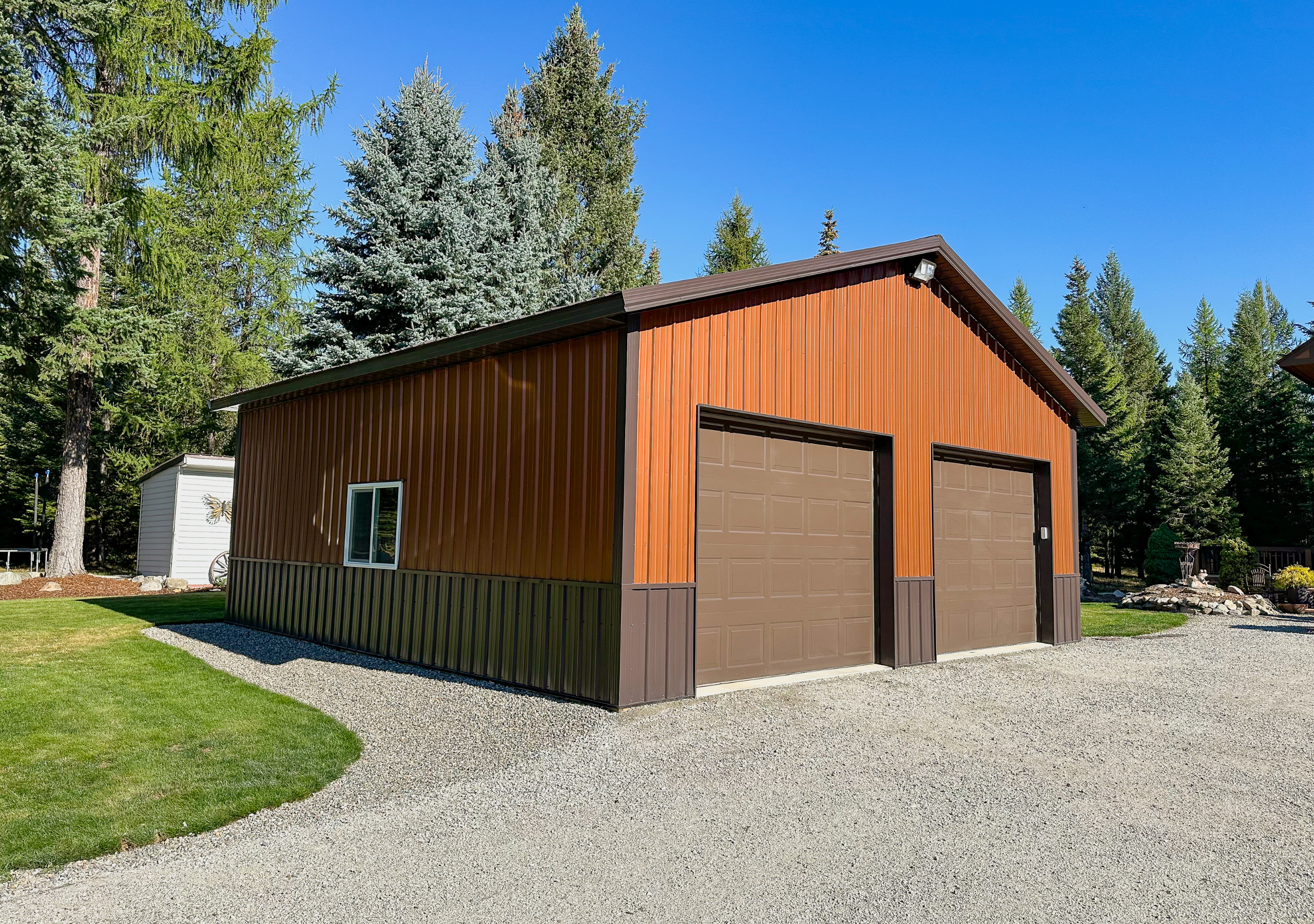
When property owners begin planning a new building, it’s easy to focus on the obvious decisions. Building size, appearance, colors, and overall layout often receive the most attention. While those choices certainly matter, they are not always the decisions that determine how valuable a building feels ten or twenty years later.
Long-term value is usually created by choices that affect daily functionality.
The way equipment moves through a building. The flexibility to adapt to changing needs. The ability to support future growth without major modifications. These are the details that often separate a building that remains useful for decades from one that feels outdated much sooner than expected.
At MQS Barn, we’ve seen firsthand how thoughtful planning can influence long-term satisfaction. Many of the most successful projects begin with conversations about future possibilities rather than immediate requirements alone.
That is one reason custom pole barn construction in Florence involves much more than simply building a structure. The goal is often to create a building that continues serving the property as needs evolve over time.
- What Design Choices Create the Most Value?
- Key Takeaways
- What's Changing in Building Design?
- Why Workflow Often Creates More Value Than Size
- The Value of Planning for Future Growth
- Common Design Choices That Limit Future Value
- Our Approach to Long-Term Building Value
- Why Flexible Buildings Often Deliver Greater Returns
- Real-World Lessons We've Learned
- Tactical Recommendations Before Designing a Building
- What the Future Looks Like for Building Design
- Common Questions About Long-Term Building Value
- Final Thoughts
What Design Choices Create the Most Value?
The design choices that often create the greatest long-term value are the ones that improve flexibility, usability, and future adaptability.
Some of the most important considerations include:
- Workflow Efficiency
- Future Expansion Opportunities
- Flexible Interior Layouts
- Equipment Accessibility
- Multi-Purpose Functionality
- Long-Term Storage Capacity
Buildings that adapt well to changing needs often remain valuable much longer than buildings designed around a single purpose.
Key Takeaways
- Long-term value often comes from functionality rather than appearance.
- Property needs frequently change over time.
- Workflow can affect daily satisfaction for years.
- Flexibility often provides a strong return on investment.
- Future growth should be discussed during planning.
What’s Changing in Building Design?
Property owners today are asking more from their buildings than they did a generation ago.
Years ago, a building often served one primary function. Today, many owners expect a structure to support equipment storage, workshop activities, vehicles, seasonal supplies, agricultural operations, and future expansion all within the same footprint.
That shift has influenced how many people approach pole building construction in Florence.
Owners are increasingly prioritizing:
- Long-Term Flexibility
- Multi-Use Functionality
- Equipment Accessibility
- Better Workflow
- Future Expansion
- Operational Efficiency
As expectations continue evolving, thoughtful design has become just as important as quality construction.
Why Workflow Often Creates More Value Than Size
One of the most common misconceptions in building design is that more square footage automatically creates more value.
In reality, workflow often matters just as much.
We’ve seen buildings with generous square footage become frustrating because:
- Equipment Blocks Access Routes
- Storage Areas Become Congested
- Vehicles Are Difficult To Maneuver
- Maintenance Activities Feel Restricted
- Traffic Patterns Create Bottlenecks
On the other hand, we’ve seen buildings with modest footprints perform exceptionally well because movement patterns were carefully considered.
This is one reason experienced Florence custom pole barn builders spend significant time discussing how a property operates before finalizing a layout.

The Value of Planning for Future Growth
One of the smartest design decisions a property owner can make is planning for change.
Most properties evolve over time. Equipment gets larger. Storage needs increase. Operations expand. New opportunities emerge.
We’ve worked with owners who initially planned for basic storage and later found themselves needing:
- Workshop Space
- Additional Equipment Storage
- Vehicle Protection
- Agricultural Support Areas
- Recreational Storage
Buildings that account for those possibilities often provide significantly greater long-term value.
Common Design Choices That Limit Future Value
Not every design decision increases functionality. Some choices can unintentionally create limitations.
Designing Around Current Needs Only
Future requirements often differ from today’s priorities.
Ignoring Equipment Movement
Accessibility affects daily usability.
Limiting Future Expansion
Growth opportunities may become more difficult later.
Prioritizing Appearance Over Function
Visual appeal matters, but functionality often determines long-term satisfaction.
Creating Highly Specialized Layouts
Flexible buildings tend to adapt better over time.
Many of these issues can be addressed during planning rather than after construction is complete.
Our Approach to Long-Term Building Value
At MQS Barn, we believe successful projects begin with understanding how a property functions today while anticipating how it may function tomorrow.
Before discussing final layouts, we often explore:
- Equipment Requirements
- Workflow Patterns
- Storage Objectives
- Property Access
- Expansion Opportunities
- Long-Term Goals
Sometimes owners arrive focused primarily on current needs. After discussing future possibilities, however, the conversation often shifts toward flexibility and adaptability.
As experienced Florence custom post frame builders, we’ve learned that these conversations often have a greater impact on long-term value than many owners initially expect.
Our Amish-influenced craftsmanship emphasizes quality construction while also focusing on practical usability.
Why Flexible Buildings Often Deliver Greater Returns
One thing we’ve consistently observed is that property needs rarely remain static.
Buildings often evolve to support:
- Equipment Storage
- Vehicle Storage
- Workshops
- Agricultural Activities
- Recreational Equipment
- Seasonal Operations
This flexibility helps explain why many owners invest in custom post frame buildings in Florence rather than highly specialized structures.
A flexible building can often support changing priorities without requiring major modifications.
That adaptability frequently becomes one of the building’s most valuable features.
Real-World Lessons We’ve Learned
Over the years, we’ve noticed that the owners who remain happiest with their buildings often share several characteristics.
They tend to:
- Think Beyond Immediate Needs
- Discuss Future Growth
- Prioritize Workflow
- Plan For Multiple Uses
- Leave Room For Flexibility
We’ve also seen situations where owners quickly outgrew buildings because those conversations never happened. The building itself may still be well-built.
The challenge is that the original design no longer matched the property’s evolving needs.
Tactical Recommendations Before Designing a Building
If you’re considering custom pole barn construction in Florence, a few early discussions can improve long-term results significantly.
Evaluate Future Equipment Needs
Think beyond current inventory.
Discuss Workflow
Daily usability often affects satisfaction more than building size.
Plan For Expansion
Future flexibility frequently creates value.
Consider Multiple Uses
Many buildings serve more than one purpose over time.
Work With Experienced Builders
Experienced builders often identify opportunities and limitations that may not be obvious initially.
These conversations can significantly affect how useful a building remains years after construction.
What the Future Looks Like for Building Design
The demand for adaptable buildings will likely continue growing.
Future projects will increasingly emphasize:
- Multi-Use Functionality
- Better Organization
- Equipment Accessibility
- Future Expansion
- Operational Efficiency
- Long-Term Flexibility
As these priorities continue evolving, Florence post frame building construction will likely place even greater emphasis on helping property owners create buildings that adapt alongside changing needs.
Common Questions About Long-Term Building Value
What design choice creates the most long-term value?
Workflow and flexibility are often among the most important factors because they affect daily usability.
Why is future planning important?
Property needs frequently change, making adaptability valuable.
Can a building support multiple uses?
Yes. Many owners successfully use buildings for storage, workshops, vehicles, agricultural operations, and recreational equipment.
Why does workflow matter?
Workflow affects accessibility, efficiency, and overall functionality.
Why do owners work with experienced builders?
Many property owners value the planning insight and craftsmanship provided by experienced builders who understand long-term usability.
Final Thoughts
The design choices that create the greatest long-term value are rarely the ones that receive the most attention during planning. Flexibility, workflow, adaptability, and future growth opportunities often have a much greater impact on how useful a building remains over time.
At MQS Barn, we believe successful projects balance quality construction with thoughtful design. Through careful planning, practical layouts, and durable craftsmanship, property owners can create buildings that continue delivering value long after construction is complete.
Whether you’re exploring custom pole barn construction in Florence, researching post frame building construction, or evaluating options with Florence custom pole barn builders, the most valuable design decisions are often the ones that prepare a property for the future rather than simply meeting today’s needs.
At MQS Barn, building a custom barn shouldn’t feel overwhelming. You don’t need endless back‑and‑forth or surprise costs. We handle everything from design to building, so you get a quality post-frame structure built right. No unnecessary add-ons. No vague timelines. If you’re searching for the most reputable Amish barn builders in the area, you’ve found us.

Just dependable craftsmanship and solid service. Want to see how straightforward it can be? Call us toll‑free at 855‑677‑2276. Or head over to our Contact Us page to request your free quote. We’ll take care of the details and deliver a barn you can count on. At MQS Barn, we create dependable and attractive buildings by combining contemporary building methods with traditional characteristics.
With over 30 years of experience, we are the builders you can trust!

