
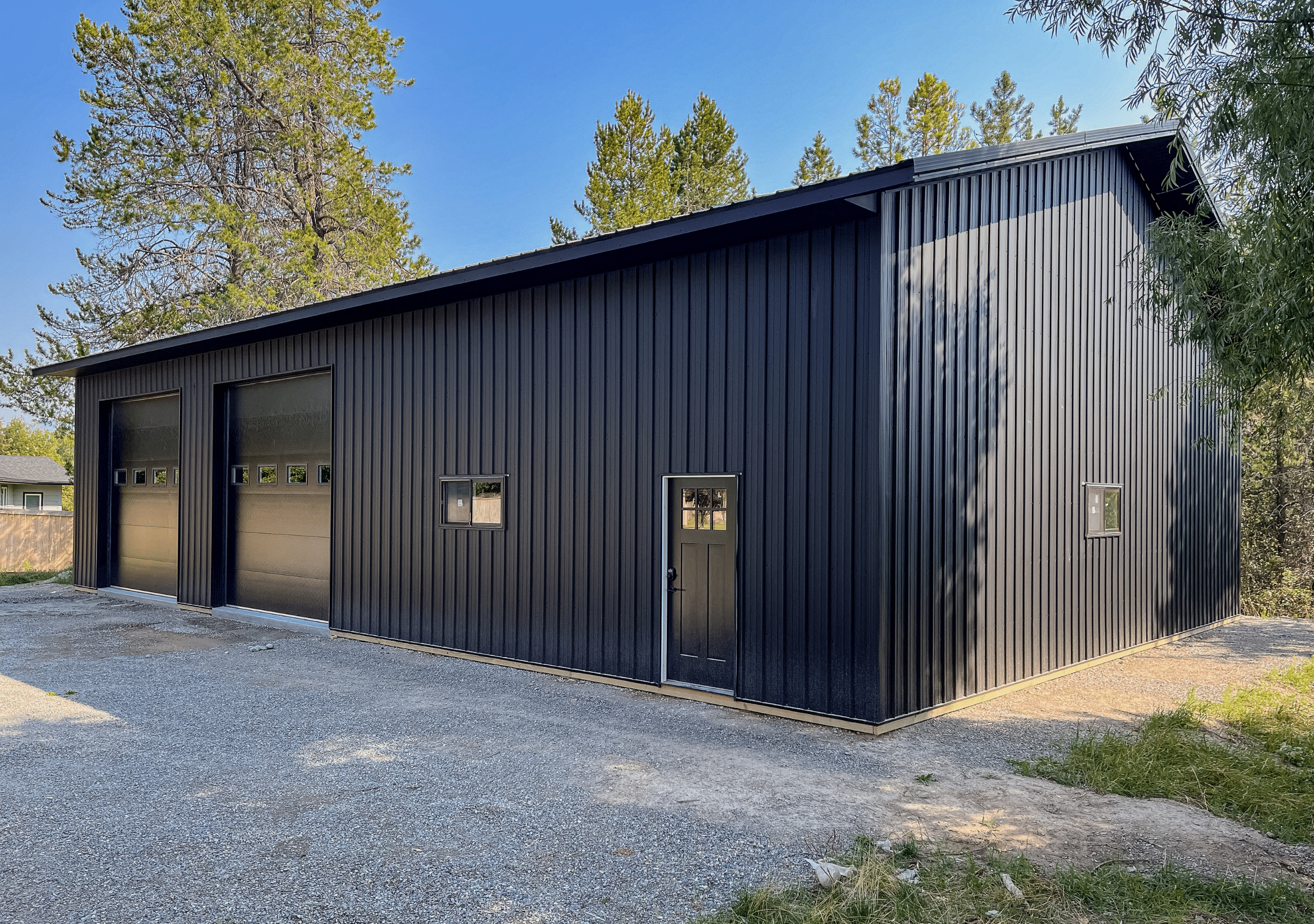
One thing we’ve learned over the years is that property owners are usually pretty good at identifying what they need today. The harder part is predicting what they might need five, ten, or even twenty years from now.
A building that starts out as equipment storage may eventually become a workshop. A structure used for agricultural purposes today may later house vehicles, recreational equipment, or seasonal supplies. Properties evolve. Equipment changes. Families grow. Businesses expand. The buildings on a property often need to evolve right alongside them.
That reality is one reason Jerome County pole barns continue to be a popular choice among rural property owners. Many people are no longer looking for buildings that serve only one purpose. They want structures that can adapt as their needs change over time.
At MQS Barn, we’ve worked with property owners who originally planned for one use only to discover years later that the building was serving several different functions. The most successful projects are often the ones that leave room for future possibilities rather than focusing solely on immediate needs.
- How Do Pole Barns Adapt to Changing Needs?
- Key Takeaways
- What's Changing for Rural Property Owners?
- Why Flexibility Often Creates Long-Term Value
- Common Challenges Owners Face as Needs Change
- Our Approach to Long-Term Building Planning
- Why Workflow Matters More Than Most People Expect
- How Pole Barns Support Multiple Uses
- Real-World Observations From the Field
- Before Starting a Project
- What the Future Looks Like for Pole Barn Design
- Common Questions About Pole Barn Flexibility
- Final Thoughts
How Do Pole Barns Adapt to Changing Needs?
Many owners choose Jerome County pole buildings or barns because they offer flexibility and can support multiple uses throughout the life of the building.
Some common ways pole barns adapt include:
- Equipment Storage
- Workshop Space
- Vehicle Protection
- Agricultural Operations
- Recreational Storage
- Seasonal Supply Storage
The ability to evolve alongside the property is often one of the biggest advantages of a well-planned pole barn.
Key Takeaways
- Property needs rarely stay the same.
- Flexible buildings often provide greater long-term value.
- Workflow and usability should be considered early.
- Future expansion can affect building performance.
- Multi-purpose buildings are becoming increasingly common.
What’s Changing for Rural Property Owners?
The way people use their properties has changed considerably over the last decade.
Years ago, many buildings were constructed for one specific purpose. Today, owners often expect a single structure to support multiple activities throughout the year.
In and around Jerome County, we continue seeing demand for buildings that can support:
- Equipment Storage
- Workshops
- Vehicle Storage
- Agricultural Operations
- Seasonal Activities
- Property Maintenance
That shift has contributed to the growing popularity of pole barns in Jerome County among owners looking for long-term flexibility.
Many property owners are no longer asking:
“What do I need today?”
Instead, they are asking:
“What might I need five years from now?”
Why Flexibility Often Creates Long-Term Value
One of the biggest mistakes owners can make is designing a building too narrowly around a single purpose.
We’ve seen situations where a structure was planned exclusively for equipment storage. A few years later, the owner needed additional workshop space or vehicle storage and found the building difficult to adapt.
Flexible layouts often support:
- Changing Equipment Needs
- Additional Storage
- Future Work Areas
- Seasonal Operations
- New Property Goals
This is one reason many Jerome County custom pole barns continue delivering value long after construction is complete. The more adaptable a building is, the easier it often becomes to accommodate future changes.
Common Challenges Owners Face as Needs Change
Even well-maintained properties experience change. Equipment gets larger. Storage needs increase. Operations become more complex.
Some of the most common challenges we see include:
Outgrowing Existing Storage
Many owners underestimate how quickly storage requirements can grow.
Limited Interior Flexibility
Buildings designed around one purpose can become restrictive.
Workflow Issues
Poor access patterns often create daily frustrations.
Lack of Expansion Planning
Future additions become more difficult when expansion was never discussed.
Changing Property Priorities
What seemed important during planning may not remain the top priority years later.
Many of these challenges can be reduced through thoughtful planning from the beginning.
Our Approach to Long-Term Building Planning
At MQS Barn, we believe the most successful projects begin with conversations about both current and future needs.
Before discussing final layouts, we often explore topics such as:
- Current Equipment
- Future Equipment Plans
- Property Access
- Workflow Patterns
- Storage Goals
- Long-Term Property Objectives
Sometimes owners arrive with a very specific idea in mind. After discussing how the property functions, however, the conversation often shifts toward adaptability and long-term usability.
As experienced Jerome County pole barn builders, we’ve learned that flexibility often becomes one of the most valuable investments an owner can make. Our Amish-influenced craftsmanship focuses on creating structures that remain practical and functional for years to come.
Why Workflow Matters More Than Most People Expect
When owners think about future flexibility, they often focus on space. Space matters. But workflow frequently matters even more.
A building can have plenty of square footage and still become frustrating if equipment movement feels awkward.
Good workflow often improves:
- Equipment Access
- Vehicle Storage
- Maintenance Activities
- Daily Efficiency
- Property Organization
We’ve worked with owners who discovered that simple layout adjustments could dramatically improve how useful the building felt on a daily basis.
This is one reason experienced builders spend so much time discussing how the building will actually be used.
How Pole Barns Support Multiple Uses
One reason Jerome County pole buildings remain popular is their ability to serve different functions throughout their lifespan.
A building may transition between:
- Equipment Storage
- Agricultural Use
- Vehicle Storage
- Workshop Activities
- Recreational Storage
- Seasonal Operations
In some cases, multiple uses happen simultaneously. We’ve seen owners successfully combine storage, work areas, and agricultural functions within a single structure because the building was planned with flexibility in mind.
The same principles apply whether someone is planning storage space or a pole building shop in Jerome County.
Real-World Observations From the Field
Over the years, we’ve noticed some common patterns. The property owners who seem happiest with their buildings years later often:
- Plan Beyond Current Needs
- Discuss Future Growth
- Prioritize Workflow
- Leave Room For Flexibility
- Consider Expansion Opportunities
On the other hand, buildings designed only around immediate needs sometimes become restrictive much sooner than expected.
The structure itself may still be excellent. The challenge is that the property evolved faster than the original plan.
Before Starting a Project
If you’re considering Jerome County pole barns, a few early conversations can help improve long-term results.
Think Beyond Current Equipment
Future purchases often affect storage needs.
Consider Multiple Uses
Buildings frequently serve more than one purpose over time.
Evaluate Workflow
Daily movement patterns affect usability.
Discuss Future Expansion
Planning ahead creates additional flexibility.
Work With Experienced Builders
Experienced builders often identify opportunities that are easy to overlook.
These discussions frequently shape how useful a building remains years after construction.
What the Future Looks Like for Pole Barn Design
The demand for adaptable buildings is likely to continue growing.
Property owners increasingly want structures that support:
- Multiple Functions
- Better Organization
- Equipment Protection
- Workshop Activities
- Future Growth
- Operational Flexibility
As those priorities continue evolving, Jerome County pole barns will likely remain a popular option for owners seeking long-term value and adaptability.
Buildings that can change alongside the property often provide the greatest return on investment over time.
Common Questions About Pole Barn Flexibility
Can a pole barn be used for multiple purposes?
Yes. Many owners use their buildings for equipment storage, workshops, vehicle protection, agricultural operations, and seasonal storage.
Why is flexibility important in building design?
Property needs often change over time. Flexible buildings are usually easier to adapt.
Should future expansion be considered during planning?
Absolutely. Expansion opportunities are often easier to address during the planning phase.
How does workflow affect long-term usability?
Good workflow improves efficiency, accessibility, and overall building functionality.
Why work with experienced builders?
Experienced builders often help identify future needs and planning opportunities that may not be obvious initially.
Final Thoughts
The biggest advantage of Jerome County pole barns may not be what they do today. It may be what they can do tomorrow. Property needs evolve, and buildings that can adapt often provide greater long-term value than structures designed around a single purpose.
At MQS Barn, we believe successful projects balance current needs with future possibilities. Through thoughtful planning, practical layouts, and quality craftsmanship, property owners can create buildings that continue supporting their goals long after construction is complete.
At MQS Barn, building a custom barn shouldn’t feel overwhelming. You don’t need endless back‑and‑forth or surprise costs. We handle everything from design to building, so you get a quality post-frame structure built right. No unnecessary add-ons. No vague timelines. If you’re searching for the most reputable Amish barn builders in the area, you’ve found us.

Just dependable craftsmanship and solid service. Want to see how straightforward it can be? Call us toll‑free at 855‑677‑2276. Or head over to our Contact Us page to request your free quote. We’ll take care of the details and deliver a barn you can count on. At MQS Barn, we create dependable and attractive buildings by combining contemporary building methods with traditional characteristics.
With over 30 years of experience, we are the builders you can trust!

