

Most equipment owners understand the cost of replacing machinery. What often gets overlooked is the cost of slowly wearing it down.
A tractor left exposed year after year. Implements sitting through long winters. Service vehicles parked outside because there is no room under cover. None of those situations usually create a major problem overnight. Instead, the effects build gradually. Maintenance becomes more frequent. Components wear faster. Organization becomes harder. Before long, owners find themselves spending more time managing equipment problems than they expected.
That is one reason more property owners are investing in Teton County equipment storage. Proper storage is about more than simply getting equipment out of the weather. It is about protecting assets, improving workflow, and helping operations run more efficiently over the long term.
At MQS Barn, we have noticed that the most successful equipment storage projects are rarely the biggest buildings. They are usually the buildings that were planned around how equipment is actually used. Good storage protects equipment, but it also protects time, productivity, and future flexibility.
- How Does Equipment Storage Protect Long-Term Investments?
- Key Takeaways
- What's Changing With Equipment Storage Planning?
- Why Exposure Costs More Than Many Owners Realize
- Our Approach to Equipment Storage Planning
- Why Workflow Often Determines Long-Term Success
- How Ag Buildings Support Equipment Protection
- Common Mistakes That Reduce Storage Effectiveness
- Tactical Recommendations Before Building Equipment Storage
- What the Future Looks Like for Equipment Storage
- Common Questions About Equipment Storage
How Does Equipment Storage Protect Long-Term Investments?
Well-planned equipment storage in Teton County helps reduce unnecessary exposure, improve organization, and support better equipment management over time.
Some of the biggest benefits include:
- Better Equipment Protection
- Improved Daily Workflow
- Easier Maintenance Access
- Reduced Clutter And Congestion
- Greater Operational Efficiency
- Longer-Term Asset Preservation
For many owners, the biggest benefit is simply having equipment ready when it is needed.
Key Takeaways
- Equipment represents a major long-term investment
- Storage planning affects both protection and efficiency
- Workflow often matters as much as building size
- Organized storage helps simplify daily operations
- Flexible layouts usually provide better long-term value
What’s Changing With Equipment Storage Planning?
Equipment storage looks different today than it did a generation ago.
Machinery is larger. Operations are more complex. Many owners now expect one building to serve multiple purposes instead of handling a single storage function.
Modern storage facilities often support:
- Equipment Parking
- Maintenance Areas
- Tool Storage
- Seasonal Supplies
- Vehicle Protection
- Operational Workspaces
That shift has increased demand for flexible ag buildings that can adapt as needs evolve.
At the same time, property owners are placing greater value on efficiency. They want buildings that support workflow, reduce unnecessary movement, and help keep equipment organized throughout the year.
.
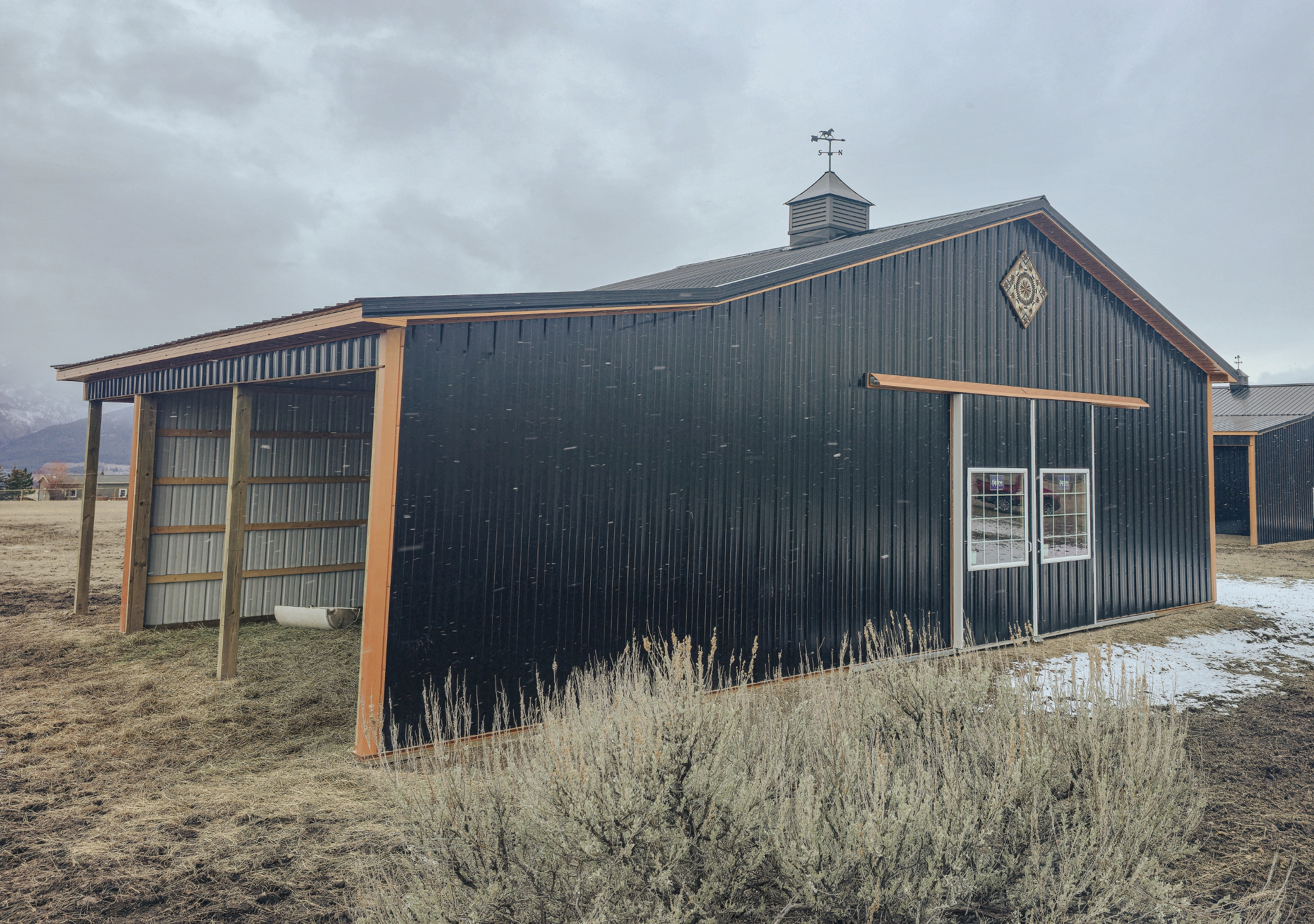
.
Why Exposure Costs More Than Many Owners Realize
Most equipment owners understand weather exposure is not ideal. What sometimes gets missed is how quickly small issues can add up.
We have seen situations where equipment remained functional but became more difficult to manage because:
- Maintenance Cycles Increased
- Organization Became Difficult
- Seasonal Access Was Limited
- Equipment Was Constantly Being Moved
- Storage Areas Became Overcrowded
The challenge is not always direct damage. Sometimes the bigger issue is inefficiency.
When equipment is difficult to access or poorly organized, simple tasks often take longer than they should.
That is where thoughtful Teton County equipment storage can make a significant difference.
Our Approach to Equipment Storage Planning
At MQS Barn, we try to understand how equipment moves through a property before discussing building dimensions.
That often means talking through:
- Current Equipment Inventory
- Seasonal Workflow Changes
- Future Equipment Purchases
- Maintenance Requirements
- Property Access Patterns
- Long-Term Storage Goals
Sometimes owners assume they need a larger building. Other times, a smarter layout solves the problem more effectively than additional square footage.
As builders of agricultural buildings, we have learned that usability usually matters more than people expect. A building that feels easy to use every day often delivers more value than one that simply offers more enclosed space.
Our Amish-influenced craftsmanship also emphasizes precision and consistency. Small details may seem minor initially, but years later they can affect:
- Door Performance
- Equipment Access
- Interior Organization
- Drainage Management
- Overall Workflow
The goal is to create buildings that continue working well as operations evolve.
Why Workflow Often Determines Long-Term Success
This is one area where many storage projects succeed or fail.
A building may have plenty of room, but if equipment movement feels awkward, owners quickly notice.
Good workflow often supports:
- Faster Equipment Access
- Better Organization
- Easier Maintenance
- Improved Safety
- Less Daily Frustration
We have seen owners spend years working around workflow issues simply because those concerns were never addressed during planning.
Buildings that support natural movement patterns usually remain useful much longer.
How Ag Buildings Support Equipment Protection
Many property owners initially think of equipment storage as a standalone structure. In reality, storage often works best when it is part of a broader operational plan.
Modern farm building construction frequently supports:
- Equipment Storage
- Supply Storage
- Maintenance Areas
- Agricultural Operations
- Seasonal Equipment Rotation
This flexibility helps owners maximize the value of a single structure.
It is also one reason many operations continue investing in purpose-built storage instead of relying on temporary solutions.
Common Mistakes That Reduce Storage Effectiveness
A few planning mistakes tend to appear repeatedly.
Planning Only For Current Equipment
Equipment inventories often grow over time.
Ignoring Traffic Flow
Daily movement patterns affect usability significantly.
Prioritizing Size Over Layout
Bigger does not always mean more efficient.
Overlooking Future Expansion
Operations rarely stay exactly the same.
Treating Storage As An Afterthought
Equipment protection works best when integrated into the overall property plan.
Many of these challenges can be avoided with better planning from the start.
Tactical Recommendations Before Building Equipment Storage
If you are considering equipment storage in Teton County, a few early conversations can help improve long-term results.
Think Beyond Today’s Equipment
Future purchases often affect storage needs.
Evaluate Daily Workflow
Movement patterns should feel natural.
Consider Maintenance Requirements
Access matters just as much as storage space.
Plan For Future Growth
Operations often expand over time.
Work With Builders Who Understand Agricultural Operations
Experience frequently reveals opportunities that are easy to miss.
These discussions often shape how useful the building remains years later.
What the Future Looks Like for Equipment Storage
The demand for flexible agricultural building construction continues growing.
Property owners increasingly want structures that support:
- Equipment Protection
- Operational Efficiency
- Future Expansion
- Multi-Use Functionality
- Better Organization
- Long-Term Adaptability
Many of today’s most successful storage projects are designed around future needs instead of current limitations.
That trend will likely continue as equipment becomes more sophisticated and operational efficiency becomes even more important.
Common Questions About Equipment Storage
Why is equipment storage important?
Proper storage helps protect valuable equipment while improving organization and workflow.
Can storage buildings support more than equipment?
Yes. Many agricultural buildings also support maintenance, supplies, and operational activities.
Should future equipment growth be considered?
Absolutely. Most equipment inventories change over time.
How does workflow affect storage efficiency?
Good workflow improves access, organization, and daily productivity.
Is equipment storage only useful for large operations?
No. Smaller operations often benefit just as much from improved organization and protection.

Investing in Teton County equipment storage is often about protecting more than equipment alone. Good storage helps support efficiency, organization, and long-term operational success.
At MQS Barn, we believe buildings should be designed around real-world use. Equipment storage works best when it supports the way a property operates today while remaining flexible enough to handle future growth.
A thoughtfully planned storage building often becomes one of the most valuable assets on a property because it helps protect many of the others.

