

A lot of RV owners start with temporary storage plans. Some park beside the house. Others rent outdoor storage space for a while. A few try to make standard garages work even when the fit feels tight from the beginning. In the short term, those options may seem reasonable. Over time though, many owners start noticing the same frustrations. Weather exposure increases maintenance. Parking becomes inconvenient. Security concerns grow. And eventually the RV starts feeling harder to manage than it should.
That is one reason dedicated RV buildings continue becoming more popular across rural properties. Owners are realizing that proper storage affects far more than convenience alone. It affects long-term usability, maintenance demands, maneuverability, and even how often the RV actually gets used throughout the year.
At MQS Barn, we have noticed that Latah County RV buildings usually perform best when they are designed around long-term workflow instead of simply creating a covered parking space. A building that functions smoothly year after year tends to feel far more valuable than a temporary storage solution that constantly creates small frustrations.
- Why Do RV Buildings Usually Work Better Than Other Storage Options?
- What’s Changing With RV Storage Expectations?
- Why Outdoor RV Storage Often Becomes Frustrating
- Our Approach to RV Building Planning
- Why Dedicated RV Buildings Usually Age Better
- Common Problems With Standard Garage Storage
- Why Workflow Usually Matters More Than Building Size
- Before Choosing RV Storage
- Common Questions About RV Storage Options
Why Do RV Buildings Usually Work Better Than Other Storage Options?
Dedicated RV buildings are often the best storage option because they provide:
- Better Long-Term Protection
- Easier Vehicle Maneuverability
- Improved Security
- More Flexible Storage Layouts
- Better Workflow Organization
- Greater Long-Term Usability
For many owners, the biggest advantage is simply how much easier RV ownership feels once storage stops becoming a constant inconvenience.
- Outdoor RV storage often creates long-term maintenance concerns
- Workflow and maneuverability matter more than many owners expect
- Dedicated RV buildings usually provide better flexibility over time
- Storage needs often grow after the original RV purchase
- Long-term usability usually matters more than short-term convenience
What’s Changing With RV Storage Expectations?
RV ownership has changed significantly over the last decade. Vehicles are larger now. More owners travel year-round. Storage expectations have evolved too.
Many RV owners no longer want:
- Basic Outdoor Parking
- Temporary Covers
- Crowded Storage Yards
- Tight Garage Spaces
- Limited Accessibility
Instead, modern RV buildings in Latah County often include:
- Maintenance Areas
- Workshop Space
- Seasonal Storage
- Equipment Organization
- Trailer Parking
- Multi-Use Layouts
That shift has changed how owners evaluate storage solutions. The conversation is no longer only about keeping the RV out of the weather. It is about creating a building that actually supports ownership long term.
Why Outdoor RV Storage Often Becomes Frustrating
Outdoor storage may seem manageable initially, but many problems develop gradually over time.
We have seen situations where owners started noticing:
- More Frequent Cleaning
- Weather-Related Wear
- Difficult Winter Access
- Limited Security
- Parking Stress
- Reduced Maintenance Convenience
Those frustrations tend to build slowly until RV ownership itself starts feeling less convenient.
Montana weather creates additional pressure on outdoor storage too. Snow accumulation, mud seasons, wind exposure, and fluctuating temperatures all affect how practical outdoor parking is for the long term.
That is one reason dedicated RV buildings often become far more valuable over time than many owners initially expect.
Our Approach to RV Building Planning
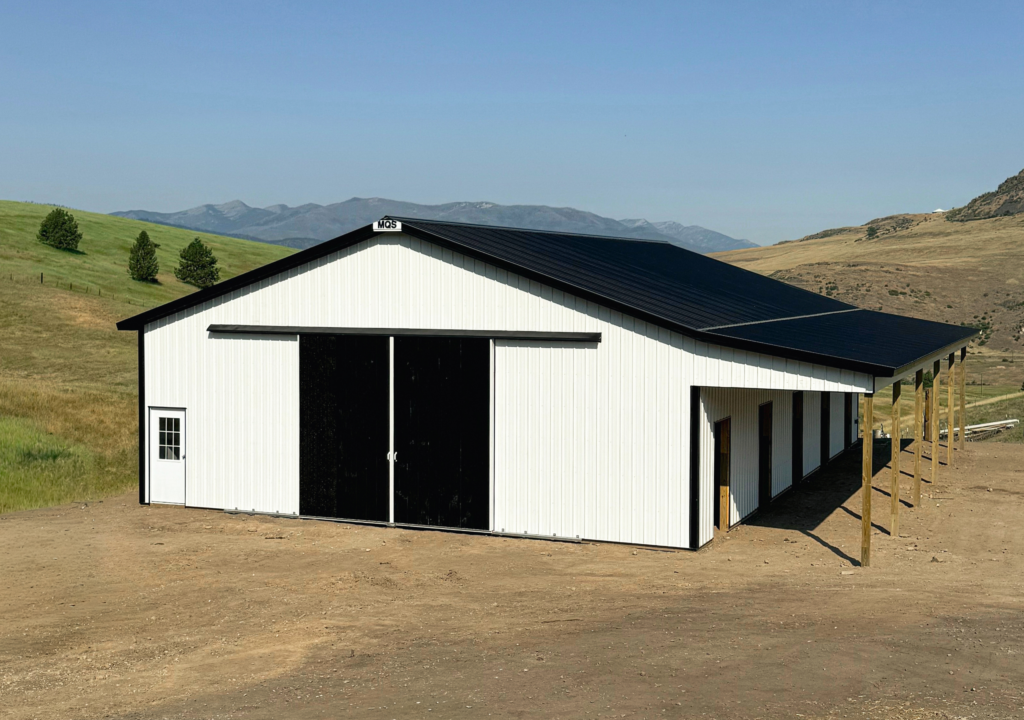
At MQS Barn, our custom post frame garage builders try to approach RV building projects from the standpoint of long-term functionality instead of simply maximizing enclosed square footage.
That usually means discussing:
- How Often The RV Gets Used
- Seasonal Access Conditions
- Property Traffic Patterns
- Future Storage Growth
- Workshop Or Maintenance Goals
- Long-Term Flexibility
Sometimes owners initially focus heavily on fitting the RV itself, but after discussing workflow and future storage needs, many realize maneuverability and organization matter just as much.
That distinction becomes extremely important once the building starts getting used regularly.
Our Amish-influenced craftsmanship also emphasizes precision during framing and layout planning. Small inconsistencies may not seem important early on, but years later they can affect:
- Door Operation
- Vehicle Maneuverability
- Drainage Behavior
- Storage Organization
- Long-Term Workflow
Consistency tends to become much more noticeable over time.
.
.
Why Dedicated RV Buildings Usually Age Better
One of the biggest differences between dedicated RV buildings and temporary storage solutions is long-term adaptability.
Storage needs rarely stay static forever.
Owners often eventually add:
- Trailers
- Side-By-Sides
- Maintenance Equipment
- Seasonal Storage
- Workshop Areas
- Utility Vehicles
Temporary storage solutions usually become restrictive once those additional needs develop.
Dedicated RV buildings tend to handle growth more naturally because layouts can be designed around:
- Future Expansion
- Better Organization
- Open Maneuverability
- Multi-Use Flexibility
- Easier Workflow
Buildings designed with adaptability in mind usually remain functional much longer than temporary storage setups.
Common Problems With Standard Garage Storage
A lot of owners initially try making standard garages work for RV storage. Sometimes that works temporarily. Often though, limitations start becoming obvious quickly.
Our post frame garage builders have seen issues where:
- Door Clearance Felt Tight
- Turning Angles Became Stressful
- Interior Space Felt Restricted
- Maintenance Access Was Limited
- Storage Became Overcrowded
A vehicle technically fitting inside a garage does not always mean the layout functions well daily.
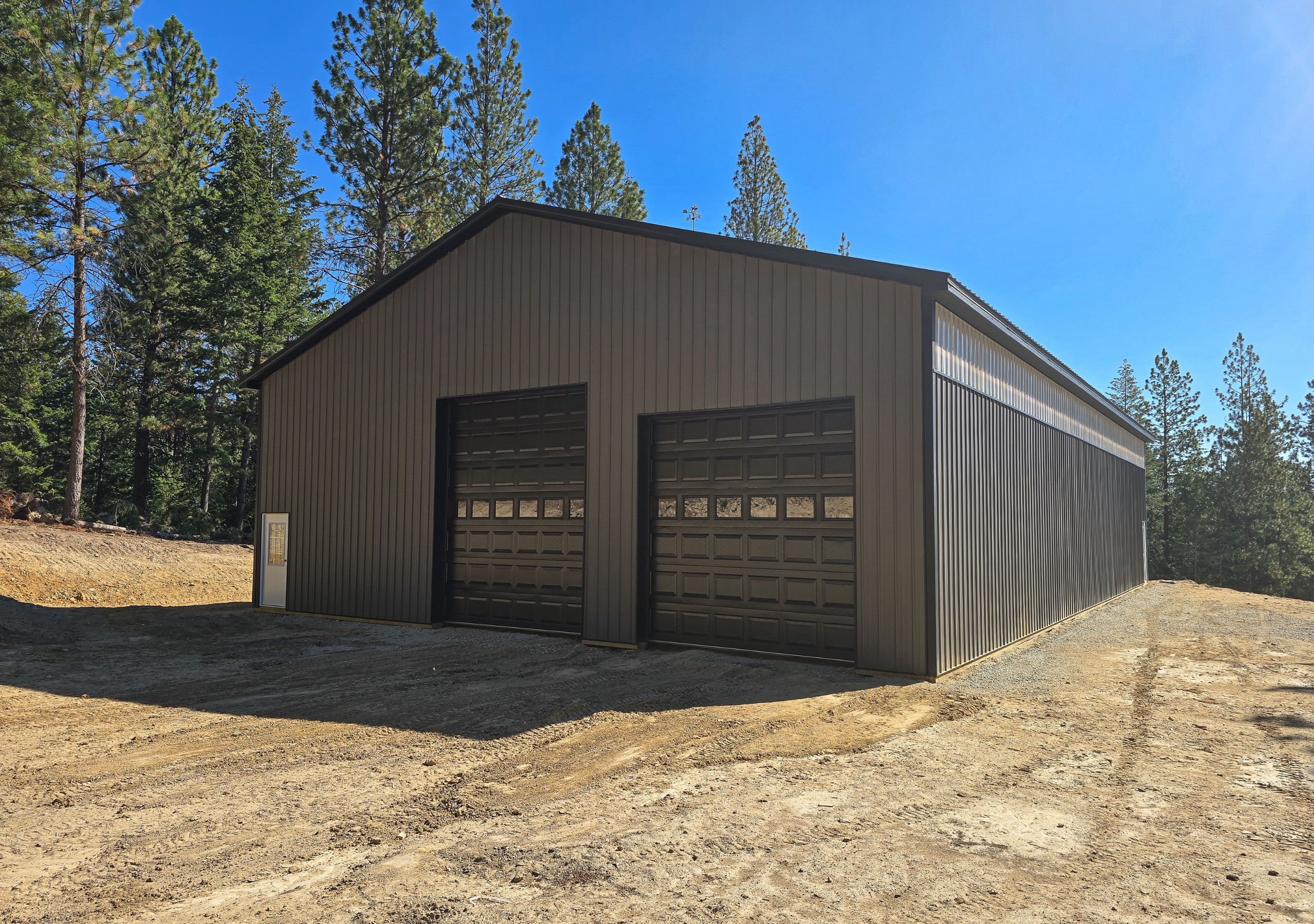
That is why dedicated RV buildings usually feel easier to use long-term. They are designed around maneuverability and workflow instead of forcing oversized vehicles into layouts built for standard passenger vehicles.
Why Workflow Usually Matters More Than Building Size
This surprises many owners at first.
A larger storage building does not automatically create better functionality. We have seen oversized structures that still created frustration because:
- Access Patterns Were Poor
- Parking Layouts Felt Awkward
- Storage Areas Interrupted Movement
- Seasonal Equipment Blocked Workflow
- Maneuverability Was Limited
Good workflow usually improves:
- Daily Convenience
- Vehicle Access
- Maintenance Simplicity
- Organization
- Long-Term Flexibility
Owners often notice workflow quality almost immediately once they begin using the building regularly.
Poor workflow tends to become frustrating every single day.
.
.
Before Choosing RV Storage
If you are comparing RV storage options, a few planning discussions can make a major difference down the road.
Think Beyond Your Current RV
Storage needs often grow over time.
Evaluate Seasonal Accessibility
Snow, mud, and winter maneuverability matter heavily.
Prioritize Workflow Early
Movement patterns affect daily usability significantly.
Leave Additional Storage Flexibility
Organization needs rarely stay static.
Work With Builders Who Discuss Long-Term Functionality
Operational planning usually reveals real experience.
Those conversations often determine how useful the building remains years later.
What the Future Looks Like for RV Storage Buildings
RV storage design will likely continue shifting toward:
- Multi-Use Building Layouts
- Larger Maneuverability Zones
- Adaptable Interior Organization
- Integrated Workshop Areas
- Flexible Expansion Planning
- Workflow-Centered Design
Owners increasingly want buildings that continue adapting as property needs evolve instead of becoming restrictive after only a few years.
That trend strongly favors dedicated RV buildings designed around long-term usability rather than short-term convenience.
Common Questions About RV Storage Options
Are dedicated RV buildings worth the investment?
For many owners, yes. Long-term usability, protection, and convenience often outweigh temporary storage limitations.
Why does maneuverability matter so much?
Poor movement patterns create daily frustration and reduce long-term functionality.
Can RV buildings support more than RV storage?
Absolutely. Many owners include workshop space, seasonal storage, and equipment organization.
Are larger RV buildings always better?
Not necessarily. Smart layouts usually matter more than raw square footage alone.
Why do dedicated RV buildings often age better than temporary storage?
Flexible layouts and workflow-focused planning usually adapt more easily as storage needs evolve.

Final Thoughts on RV Buildings
Dedicated RV buildings often become the best storage solution because they support far more than simple parking. Buildings designed around maneuverability, organization, long-term flexibility, and operational workflow usually remain functional much longer than temporary storage setups that were never planned around evolving ownership needs.
At MQS Barn, we are more than garage hobby shop builders. Our structures focus heavily on practical planning because RV storage should simplify ownership instead of creating daily frustration. Thoughtful layouts, adaptable organization, and long-term usability usually matter far more over time than quick temporary solutions that only address immediate needs.
The strongest RV storage projects almost always begin with careful workflow planning long before construction actually starts. Contact MQS Barn today to get the ball rolling on your RV storage building.

