
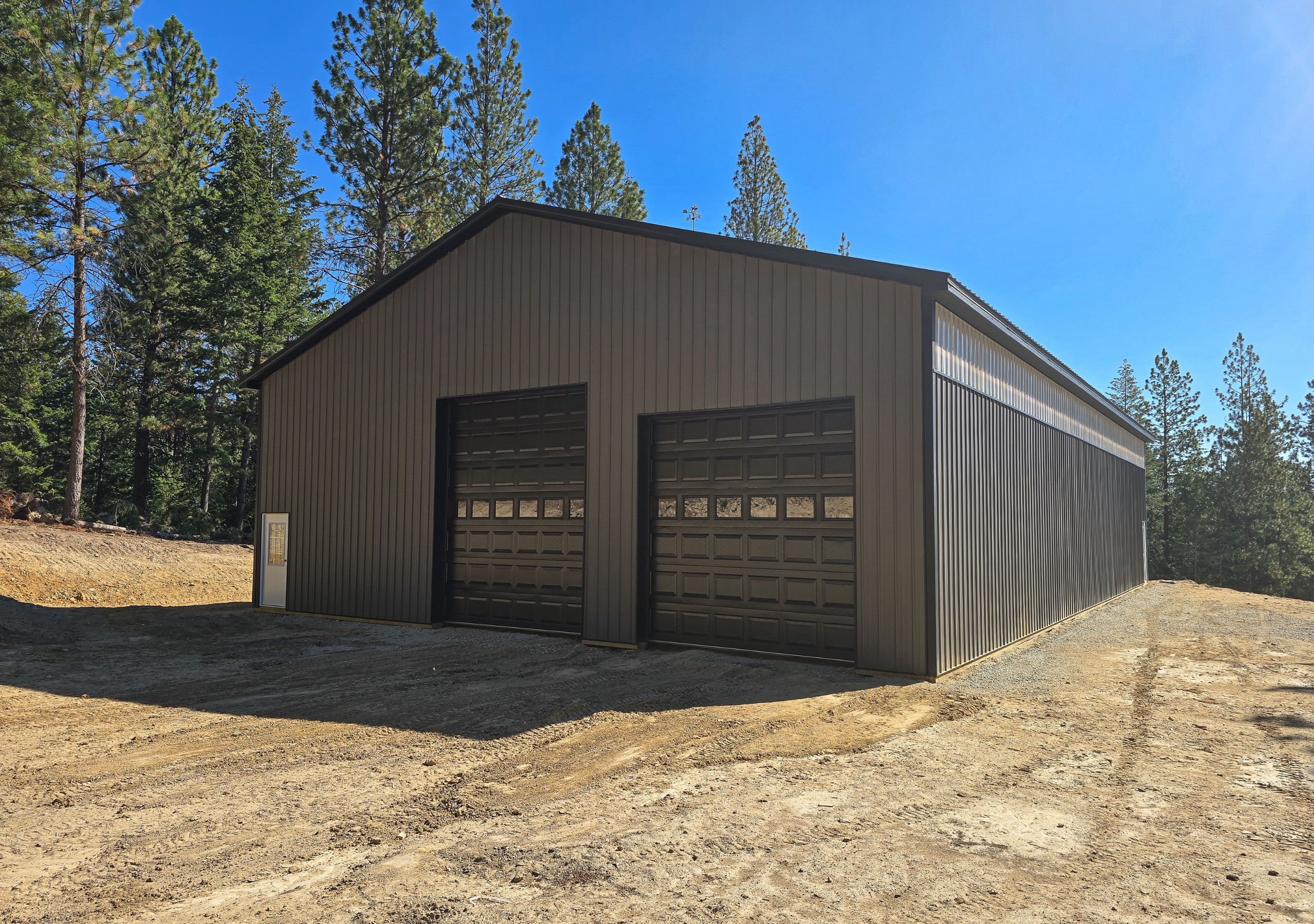
Equipment storage buildings have become much more important for rural property owners over the last several years. Tractors, trailers, utility vehicles, skid steers, RVs, attachments, and maintenance equipment all require protection from weather and long-term wear. At the same time, equipment sizes continue growing, and many older storage buildings simply are not designed to handle today’s needs.
A lot of property owners initially focus only on square footage when planning an equipment storage structure. The reality is that layout, access, durability, future flexibility, and workflow matter just as much as building size. A poorly planned structure can quickly become overcrowded, difficult to maneuver in, or limited as equipment needs evolve.
That is why planning an equipment storage building carefully from the start matters more now than ever before.
In this guide, we’ll break down what rural property owners should know before building an equipment storage structure, the most common mistakes people make during planning, and why flexibility often becomes one of the most valuable long-term features.
- What You Should Expect from Your Equipment Storage Building
- What’s Changing With Equipment Storage Buildings?
- Equipment Continues Getting Larger
- Buildings Are Becoming Multi-Purpose
- Property Owners Want More Long-Term Flexibility
- Common Mistakes Property Owners Make
- Recommended Strategy: The Long-Term Equipment Storage Framework
- Why Post Frame Construction Works Well for Equipment Storage
- Real-World Observations From Rural Property Owners
- Tactical Recommendations Before Building an Equipment Storage Structure
- Frequently Asked Questions
What You Should Expect from Your Equipment Storage Building
The best equipment storage buildings are usually designed around long-term flexibility, easy equipment access, durable construction, and future growth instead of only current storage needs.
- Equipment storage needs usually grow over time.
- Door height and interior clearance matter more than many people expect.
- Workflow and maneuverability are critical.
- Open interior layouts create more flexibility long term.
- Planning for future equipment saves money later.
Equipment storage buildings on rural property are no longer just simple shelters. They are becoming highly functional multi-purpose structures that support daily operations, maintenance, organization, and future property growth.
What’s Changing With Equipment Storage Buildings?
Equipment storage in Idaho County has changed significantly in recent years. Rural property owners’ needs have grown over the years, and many expect much more from these buildings than they used to.
Equipment Continues Getting Larger
Modern equipment often requires:
- Taller overhead doors
- Wider access points
- Greater interior clearance
- More maneuvering space
Older storage buildings can quickly become restrictive once larger equipment is added to the property.
Buildings Are Becoming Multi-Purpose
Many Idaho County equipment storage structures now support:
- Maintenance areas
- Workshops
- Tool organization
- RV storage
- Recreational vehicle storage
- Seasonal storage
- Agricultural operations
The building often becomes one of the most heavily used structures on the property.
Property Owners Want More Long-Term Flexibility
Rural needs change quickly.
An equipment storage building may initially hold:
- A tractor
- Utility trailers
- Lawn equipment
Several years later, these same ag buildings may need room for:
- Additional vehicles
- Larger machinery
- Recreational equipment
- Workshop space
- Business-related storage
That is why flexibility matters so much during planning.
Common Mistakes Property Owners Make
One of the biggest issues we see is property owners planning only for immediate needs instead of long-term functionality.
Building Too Small
This is extremely common.
Many people estimate storage needs based only on current equipment. A few years later, the structure becomes overcrowded and difficult to use efficiently.
Limited space often creates:
- Tight maneuvering
- Poor workflow
- Reduced accessibility
- Cluttered storage
- Difficult equipment access
Most rural property owners eventually wish they had built larger.
Underestimating Door Height and Width
Door sizing matters more than many people realize.
Equipment sizes continue increasing, especially for:
- Tractors
- RVs
- Side-by-sides
- Utility trailers
- Agricultural machinery
Insufficient door clearance can become a long-term frustration quickly.
Ignoring Workflow and Interior Movement
Storage buildings should support movement, not create obstacles.
Poor layouts often lead to:
- Difficult parking angles
- Equipment bottlenecks
- Wasted floor space
- Limited maintenance access
- Frustrating daily operation
Workflow planning is one of the most overlooked parts of rural building design.
Failing to Plan for Future Expansion
Storage needs rarely stay the same.
Buildings that feel oversized initially often become full much faster than expected.
Future flexibility matters.
Recommended Strategy: The Long-Term Equipment Storage Framework
One of the best ways to approach equipment storage planning is focusing on operational flexibility instead of simply maximizing enclosed square footage.
At MQS Barn, we encourage property owners to think about how the structure may function 10 or even 20 years from now.
Step 1: Prioritize Open Interior Space
Open layouts create significantly more flexibility.
Post frame and farm building construction work especially well because these methods allow for:
- Larger clear spans
- Fewer interior load-bearing walls
- Easier equipment maneuverability
- Better future adaptability
Open interiors also make workflow adjustments easier later.
Step 2: Plan Around Equipment Movement
Think carefully about:
- Turning radius
- Trailer access
- Parking patterns
- Maintenance access
- Equipment loading and unloading
Daily movement inside the building matters just as much as storage capacity.
Step 3: Build for Future Equipment Growth
Equipment almost always evolves over time.
Planning larger door heights and additional storage capacity for your agricultural building or storage building often prevents expensive future modifications.
Step 4: Consider Seasonal Use Conditions
A rural equipment storage building regularly deals with:
- Mud
- Snow
- Moisture
- Dust
- Heavy traffic
- Temperature swings
Layout, ventilation, and flooring should support year-round use.
Why Post Frame Construction Works Well for Equipment Storage
Post frame construction continues to become one of the most practical solutions for equipment storage buildings because it provides flexibility and durability without overly complex layouts.
Many rural property owners prefer post frame buildings because they offer:
- Open interior layouts
- Larger overhead door capability
- Strong structural performance
- Faster construction timelines
- Easier future modifications
The flexibility of post frame construction works especially well for equipment-heavy rural properties.
Many owners also appreciate:
- Better vehicle maneuverability
- More usable interior space
- Simpler future expansion potential
- Adaptability to changing equipment needs
Real-World Observations From Rural Property Owners
One thing we consistently hear from rural property owners is that storage needs tend to grow much faster than expected.
Buildings originally planned for one tractor, a few trailers, or basic lawn equipment often evolve into buildings suitable for:
- Multi-vehicle storage
- Equipment maintenance space
- Tool organization areas
- Seasonal storage buildings
- Workshop space
We also frequently see property owners frustrated by:
- Limited overhead clearance
- Tight layouts
- Difficult trailer access
- Insufficient storage walls
- Poor workflow planning
Most of those frustrations begin during the early planning stage, not after construction starts. That is why strategic layout planning matters so much.
Tactical Recommendations Before Building an Equipment Storage Structure
Build Slightly Larger Than You Think You Need
Most rural property owners eventually outgrow smaller layouts.
Adding extra square footage during initial construction is usually far easier than expanding later.
Prioritize Access and Maneuverability
Equipment movement should feel easy, not restrictive.
Think carefully about:
- Vehicle turning space
- Trailer movement
- Parking angles
- Maintenance access
- Workflow efficiency
Plan Around Future Equipment Purchases
Equipment sizes continue growing.
Future-proofing the building now can prevent major limitations later.
Focus on Function Before Appearance
Exterior appearance matters, but functionality matters far more in daily use.
Buildings that work efficiently usually create better long-term value.
Future Outlook for Equipment Storage Buildings
Equipment storage buildings will likely continue becoming more flexible and more multi-purpose over time.
Several trends are already becoming more common:
- Larger storage footprints
- Hybrid workshop layouts
- RV and recreational storage integration
- More maintenance-focused layouts
- Greater demand for long-term adaptability
Rural property owners are increasingly viewing storage buildings as long-term infrastructure investments instead of simple utility structures.
That shift will likely continue.
Frequently Asked Questions
What size equipment storage building should I build?
Most rural property owners benefit from building larger than their immediate needs to allow room for future equipment growth.
Why is post frame construction popular for equipment storage?
Post frame buildings provide open interior layouts, larger spans, strong durability, and easier future adaptability.
How tall should overhead doors be?
Door height depends on equipment size, but planning for future equipment growth is usually recommended.
Why does workflow matter in storage buildings?
Poor layouts can create maneuverability problems, wasted space, and daily operational frustration.
Can equipment storage buildings also function as workshops?
Yes. Many rural property owners now design buildings that support both equipment storage and maintenance or workshop space.
At MQS Barn, building a custom barn shouldn’t feel overwhelming. You don’t need endless back‑and‑forth or surprise costs. We handle everything from design to building, so you get a quality post-frame structure built right. No unnecessary add-ons. No vague timelines. If you’re searching for the most reputable Amish barn builders in the area, you’ve found us.

Just dependable craftsmanship and solid service. Want to see how straightforward it can be? Call us toll‑free at 855‑677‑2276. Or head over to our Contact Us page to request your free quote. We’ll take care of the details and deliver a barn you can count on. At MQS Barn, we create dependable and attractive buildings by combining contemporary building methods with traditional characteristics.
With over 30 years of experience, we are the builders you can trust!

